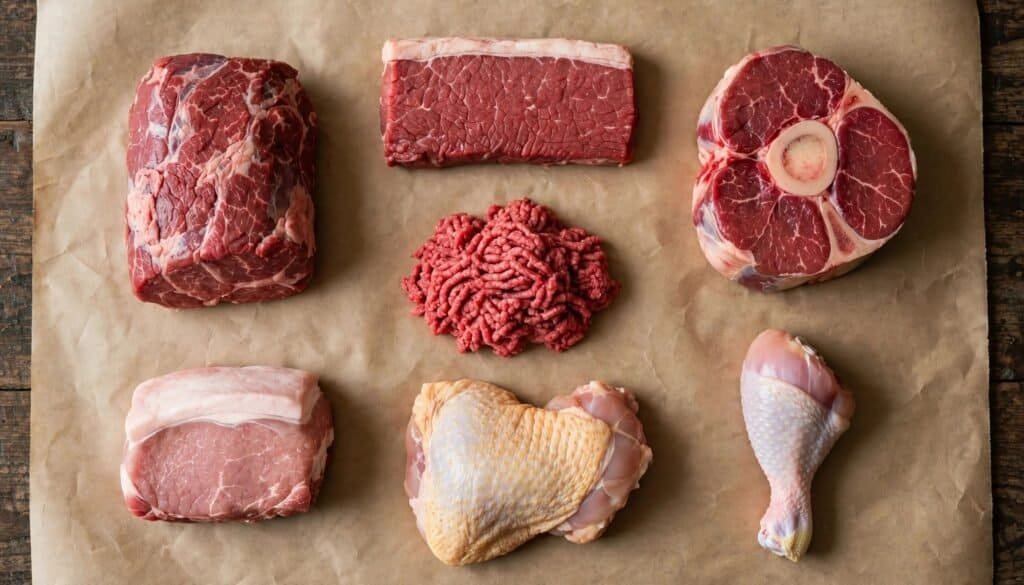
If you’re following a clean carnivore diet for breakfast and lunch with animal-based foods but you still can’t get better sleep quality, dinner is usually the culprit.
I’ve seen the same pattern over and over (and lived it): dinner creeps up later, the meal gets heavier, salt and fluids pile up at night, and a sneaky stimulant shows up when you “need a boost.” Then you’re wired at bedtime or you pop awake at 3 a.m. like someone flipped a switch.
This post is about the carnivore diet for better sleep without turning your night into a science project. No complicated biohacks. Just simple dinner changes that calm your body down fast.
By the end, you’ll have a clear dinner framework, plus a short list of things to stop doing tonight.
Key takeaways about Carnivore diet for better sleep
- Finish dinner 3 to 4 hours before bed when you can.
- Aim for steady protein and moderate fat, not extreme lean or extreme greasy.
- Front-load electrolytes and fluids earlier, keep nights calmer.
- Keep dinner consistent for 7 to 14 nights before judging results on sleep and weight loss.
- Cut late caffeine, alcohol, and “dessert-like” dairy experiments.
Why dinner can make or break sleep on a carnivore diet

Restful sleep is easier when dinner supports digestion and a calmer nervous system.
On the carnivore diet, dinner is powerful because it’s simple and dense. Meat gives you protein, fat, minerals, amino acids, and a lot of “work” for digestion in one sitting. That can be a good thing. A solid dinner can keep blood sugar steady through the night and stop the snack cravings that wreck sleep.
But the same steak can also keep you awake if the portion of red meat is huge, the fat is too heavy, or the timing is too close to bed. Your body has to digest, regulate heat, and manage fluids while you’re trying to power down. If it feels like your heart is thumping, your body is hot, or you’re up peeing at 2 a.m., dinner probably needs a tweak, not a total diet overhaul.
I also think “sleep pressure” matters here. When dinner is dialed in on the carnivore diet, the tryptophan in meat converts to serotonin, paving the way for melatonin production so you feel naturally sleepy. When dinner is off, you can feel tired in your head but alert in your body, like you’re stuck half on, possibly due to lingering inflammation from poor digestion.
If you want extra context on how meal timing ties into performance, recovery, and insulin sensitivity, I like this plain-language read on carnivore diet meal timing.
Heavy, late meals can keep your body “on” even if the food is clean
High meat consumption in the form of a big ribeye at 9:30 p.m. can be “clean” but still be a problem. Digestion raises body temperature, and that warmth can fight sleep. Some people also deal with reflux when they lie down too soon, especially after a higher-fat meal. Add in an elevated heart rate from digestion, and bedtime starts feeling like you’re trying to sleep right after a workout.
My rule of thumb: finish dinner 3 to 4 hours before bed. If real life is chaotic, start with 2.5 hours and move it earlier when you can. Small changes here can feel huge.
Too lean or too fatty at night can both backfire, just in different ways
Very lean dinners (think chicken breast or extra-lean ground beef) can leave me waking up hungry. Sometimes it’s not “hunger” exactly, it’s that jittery, adrenaline-style wake-up where you’re suddenly alert.
On the flip side, a very high-fat dinner (lots of added butter, tallow, heavy cream, saturated fat, plus a fatty cut) can sit heavy. That can mean nausea, reflux, or just restless sleep. If you’ve had gallbladder issues or you’re new to high fat, this matters even more.
When I’m troubleshooting, I start with moderate protein and moderate fat, then adjust one lever at a time.
What i change at dinner for deeper sleep (simple swaps that work fast)

A simple, satisfying carnivore dinner that’s filling without being a grease bomb.
When I want deep sleep, I don’t chase perfection. I chase repeatable. I run the same basic dinner setup for 7 to 14 nights, because sleep is a pattern problem. One “perfect” meal won’t fix a week of chaos.
Here’s my default carnivore diet dinner template:
- Protein: 8 to 12 oz of nutrient-dense dietary proteins like organ meats, eggs, or fish (or 6 to 8 oz plus 2 to 3 eggs); a meat-based dinner that covers these bases prevents nutrient deficiencies that cause 2 a.m. wake-ups
- Fat: choose a naturally fatty cut or 80/20 ground beef, then add fat only if I still feel “not satisfied”
- Salt: salt the food to taste, but don’t turn dinner into an electrolyte event
- Optional add-on: a small mug of warm broth, or collagen in hot water if it sits well
This sounds basic because it is basic. That’s the point.
Build a “sleep-friendly” plate: steady protein, enough fat, not a grease bomb
These are dinners that work well for me, sticking to fresh cuts while avoiding processed meats:
Steak and eggs: I’ll do a ribeye (or strip) plus two eggs. If the steak is already fatty, I skip extra butter. If it’s leaner, I add a small pat on top.
Ground beef bowl: 80/20 ground beef, salted, maybe topped with a fried egg. If I’m still hungry, I eat a little more beef, not a giant pour of hot fat.
Salmon or lamb: salmon tends to feel lighter for me at night, while lamb is filling without needing much added fat.
Portion sizing without calorie counting is simple: I stop when I’m satisfied and breathing easy. If I finish and I feel stuffed or overheated, that was too much for a sleep-focused dinner.
Use salt and fluids earlier, then keep dinner electrolytes calm
Too little sodium can lead to cramps and wake-ups. Too much sodium and water late can lead to thirst and bathroom trips. I try to win the day early with balanced electrolytes.
I’ll salt meals earlier, drink most of my fluids earlier, and then keep dinner normal. At dinner, I salt to taste, and I avoid chugging salty water right before bed.
Consistent dinner time and a short wind-down gap
When I eat dinner at a wildly different time every night, my sleep gets messy. My body likes a rhythm. Same carnivore diet dinner window, same general meal size, same bedtime.
A simple schedule that works:
Dinner, then a 10-minute easy walk, then lights down.
That little walk is underrated. It helps digestion, and it tells my nervous system the day is ending.

A short post-dinner walk can support digestion and help you feel sleepier later.
What i stop doing at dinner that wrecks sleep (and what to do instead)
The fastest sleep wins often come from removal, not addition. Here are the dinner-time habits I cut first when my sleep slips on the carnivore diet.
Late caffeine, pre-workout, and nicotine are the quiet sleep killers
I’ve learned this the hard way: caffeine doesn’t have to be “late” to mess with sleep. If I’m sensitive, a mid-afternoon coffee can still show up at bedtime.
My general cutoff is 8 hours before bed, and I go earlier if sleep is already fragile. If I need a lift, I’ll move training earlier, drink water, take a short walk, or use decaf. If I’m craving that “hit,” sometimes what I really need is food, like boosting meat consumption, not stimulation.
If you’re unsure whether coffee fits a carnivore diet, my honest take on coffee covers when it helps and when it hurts.
Alcohol, huge dairy hits, and spicy heat can trigger wake-ups and reflux
Alcohol can make you feel sleepy, then it disrupts REM sleep cycles later. I also notice more bathroom trips and lighter sleep when I drink, which shortens sleep duration.
Dairy is tricky. Some people do fine. For me, “dessert dairy” at night (big bowls of yogurt, lots of cheese, heavy cream) can cause reflux or a restless, puffy feeling.
Spicy heat can do the same, especially close to bed. Cutting them also helps mitigate snoring and sleep apnea.
My replacement moves are simple: drink earlier or skip it, keep dairy smaller, or remove dairy at night for a week as a clean test.
Conclusion
If you want to optimize the carnivore diet for better sleep, dinner is the easiest place to win. I focus on an earlier meal, steady protein, moderate fat for steady ketones and zero late stimulants or alcohol. It’s not glamorous, but it works, supporting mental health too.
Run a 7-night experiment: Track only three signals: time to fall asleep, number of wake-ups, and morning energy. If those improve, along with weight loss, you’ve got your path. If they don’t, change one lever at a time, and keep going.
FAQs about The Carnivore Diet for Better Sleep
Should I eat right before bed on carnivore?
On the carnivore diet, I don’t. If I eat right before bed, my body feels “on.” I try to finish dinner 3 to 4 hours before sleep.
What if I wake up hungry at 2 a.m.?
That’s often a too-lean dinner or under-eating earlier. The next day, I increase my meat consumption at dinner a bit, and I choose a naturally fattier cut of red meat.
Is dairy at night okay?
It depends. If sleep quality is rough, I’ll skip dairy at night for a week, then re-test with a smaller portion earlier in the evening.
Does high fat make sleep worse?
Sometimes. Very high-fat dinners can feel heavy and trigger reflux. I sleep best with moderate fat, not a grease bomb.
What about magnesium?
Some people find magnesium glycinate u003ca href=u0022https://carnivorepower.com/carnivore-diet-electrolyte-supplements/u0022 data-type=u0022postu0022 data-id=u00221028u0022u003esupplementsu003c/au003e helpful at night. I keep it optional and conservative, and I check for personal tolerance before making it a nightly habit.