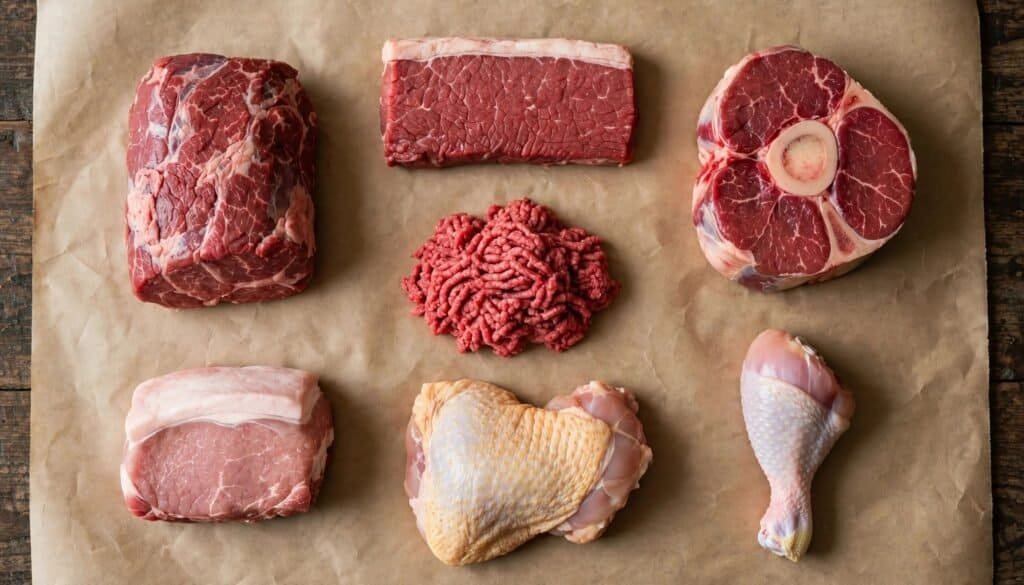
Wondering what the carnivore diet’s all about? You’ve probably heard it mentioned in conversations about health and fitness. And it’s gaining traction for its promise of simplicity and effectiveness.
At its core, this diet focuses solely on animal products, shunning fruits, veggies, and grains. Sounds intense, right? But many, including myself, swear by its benefits, because of improved health, power and body composition. In this post, I’ll break down the essential principles of the carnivore diet and explore its advantages, so you can decide if this straightforward approach might be just what you’re looking for.
What is the Carnivore Diet?
The carnivore diet is a unique approach to eating that revolves around the consumption of animal-based foods. Imagine a dining table spread only with steak, chicken, fish, and eggs, while all fruits, vegetables, grains, and nuts are purposefully left out. This diet takes the concept of low-carb eating to an extreme level by eliminating almost all carbohydrates, making it one of the most ketogenic dietary plans.
Core Principles of the Carnivore Diet
The carnivore diet is as strict as it sounds. It permits only animal products. This means your daily menu would consist solely of:
- Red meat like beef and pork
- Poultry such as chicken and turkey
- Fish and seafood
- Animal fats and eggs
Vegetables, fruits, grains, and other plant-based foods are avoided altogether. The main idea is to rely heavily on the nutrients found in meat and other animal products. Think of it like a primal throwback diet, similar to how early humans might have eaten before agriculture introduced a variety of plant foods.
While this might sound limiting, advocates of the diet argue for its simplicity and potential health benefits, including weight loss, improved mental clarity, and reduced inflammation.
History and Evolution of the Carnivore Diet
The roots of the carnivore diet can be traced back to various indigenous cultures and historical figures who thrived on meat-heavy diets. Notably, Arctic explorer Vilhjalmur Stefansson was among the first to bring attention to an all-meat diet during the early 1900s after observing the eating habits of Inuit communities.
Initially, these eating habits were mere observations of survival rather than a structured dietary plan. However, with the rise of modern ketogenic diets and a newfound interest in ancestral health practices, the carnivore diet has gained momentum in recent years.
Its resurgence is largely due to the testimonies and research provided by practitioners who emphasize its benefits for the modern-day person seeking simplicity in nutrition without compromising on health.
Health Benefits of the Carnivore Diet

The carnivore diet stands out due to its simplicity and focus on animal products. It not only helps in managing weight but also offers numerous other health benefits. Let’s dig into some of the core advantages associated with this unique eating approach.
Weight Loss and Body Composition
In a world filled with diet options, the carnivore diet is a straightforward path for those aiming to shed some pounds. By cutting down on all carbohydrates, your body turns to burning fat for energy. This process, known as ketosis, can help accelerate weight loss and improve overall body composition.
The diet eliminates highly processed carbs, which in turn reduces excess water weight and bloat.
The high-protein intake also promotes fullness, reducing hunger and cravings. When you’re not constantly reaching for snacks, managing weight becomes easier and more intuitive.
Improved Mental Clarity and Focus
Ever felt like your brain is wading through mud when you’re trying to focus? Some people say the carnivore diet is like a breath of fresh air for your brain. A diet heavy on animal fats provides stable energy, avoiding the typical blood sugar spikes and crashes. This stability boosts mental clarity and concentration.
Inflammation Reduction and Autoimmune Benefits
Many people turn to the carnivore diet seeking relief from chronic inflammation and related autoimmune issues. The dietary shift minimizes exposure to potential plant-based irritants, which can trigger inflammatory responses. Healthy fats found in animal products fight off inflammation by reducing the production of pro-inflammatory cytokines.
A lot of anecdotal evidence suggests significant reductions in pain and inflammation, offering a potential natural path to managing these conditions. However, while these benefits are compelling, it’s essential to consult with a healthcare provider before making any drastic dietary changes to tailor the diet to individual health needs.
The carnivore diet might not be for everyone, but its followers, myself included, praise these health benefits, making it a fascinating dietary approach worth considering for those seeking changes in their lifestyle.
Foods to Include in the Carnivore Diet
When stepping into the world of the carnivore diet, it’s essential to understand which foods are on the menu. Unlike other diets that might include a wide variety of food groups, the carnivore diet is all about simplicity and sticking to animal-based foods. This section will help you navigate the main foods you’ll be enjoying.
Types of Meat and Animal Products
Embracing a carnivore diet means indulging in a variety of meats and animal products. Here’s a closer look at some of the staples:
- Beef: The backbone of the carnivore diet. You’ll find steaks, ground beef, and roasts to be central to your meals.
- Pork: From bacon to loin, pork adds variety with its rich flavors.
- Chicken and Poultry: Great for those seeking leaner options. Think thighs, breasts, and wings.
- Fish and Seafood: Rich in omega-3s, fish like salmon and tuna, as well as shellfish, are excellent choices.
- Eggs: A versatile powerhouse that can serve as a meal on its own or an addition to your meat dishes.
These foods ensure you have a balanced intake of proteins and fats essential for this diet while keeping things flavorful and diverse.
Organ Meats and Their Importance
Organ meats might not be the first thing that comes to mind, but they are a crucial component of the carnivore diet. Not only are they delicious for those with acquired taste, but they’re also packed with nutrients.
- Liver: Often considered the most nutritious part of the animal, liver is high in vitamin A, iron, and B vitamins. Discover more about its health benefits here.
- Heart: Rich in CoQ10, heart meat supports your own heart health and energy production.
- Kidneys: These are a good source of protein, vitamin B12, selenium, and other essential nutrients.
Incorporating organ meats into your diet isn’t just about variety, it’s about maximizing nutritional intake.
These mentioned meats and organ products provide a nutrient-dense diet, helping you reap the full benefits of the carnivore lifestyle. Whether you are new to the diet or looking to expand your menu, these foods form the backbone of a successful carnivore journey.
Supplements for the Carnivore Diet

When jumping into the carnivore diet, it’s important to know that while you’re mostly eating animal products, there could be some nutrients you might miss. Especially if you’re not the biggest fan of organs. This is where supplements come into play, and a carnivore diet blood work panel is the best way to see which levels actually run low before you start adding them.
They act like the missing puzzle pieces to complete the nutritional picture. As you explore the thriving world of meat-based meals, let’s break down the essential nutrients you might need to keep an eye on.
Essential Nutrients to Consider
Even though the carnivore diet is packed with nutrients, some key ones may need a little help from supplements to ensure you’re not missing out on anything vital.
- Omega-3 Fatty Acids: While you get plenty of fats from meat, these specific fatty acids found in fish oil are great for heart and brain health. Think of omega-3s as the oil that keeps your engine running smoothly. It can sometimes be hard to get enough from the fish you eat.
- Magnesium: This mineral is crucial for muscle and nerve functions, and it might not be present in adequate quantities in a strict carnivore diet. Taking magnesium supplements is like giving your muscles the fuel they need to function properly.
- Vitamin D: Even though you can get some vitamin D from liver and egg yolks, it’s often not enough. A supplement ensures you get the sunshine vitamin even when you’re indoors. Still sunlight is by far the best source.
- Vitamin C: Known for boosting immunity, vitamin C isn’t typically found in meat. While some argue you can get enough from organ meats, a supplement acts as an insurance policy.
- Zinc: Essential for immune function, zinc is found in red meat, but a supplement can help maintain optimal levels. Especially for men, who work out and sweat a lot.
Balancing your nutrients is not just about maintaining health but also about getting the most out of your carnivore diet experience. Aim for a balanced intake to avoid any potholes on your road to health and wellness.
Carnivore Diet and Exercise
Exploring the carnivore diet maybe leads you to ponder its impact on physical fitness. With exercise being a cornerstone of many people’s health regimes, integrating it with the carnivore diet can be a unique journey.
Let’s take a closer look at how you can adapt your workouts and build muscles while consuming a diet revolving solely around animal products.
Adapting Exercise Routines
Starting a carnivore diet might necessitate a tweak in how you exercise. This shift is crucial, not only to maintain energy levels but also to maximize the myriad of benefits this diet has to offer.
- Energy Levels: On the carnivore diet, energy might waver as the body transitions from carbohydrates to fats as its primary fuel source. This adjustment phase, often called ‘keto-flu’, can take a few weeks.
- Intensity Modulation: You might want to dial down on high-intensity workouts initially to allow your body to adjust. Once you feel comfortable, ramp up gradually as your endurance builds.
For further insights, check out this discussion on adapting workout routines on a carnivore diet.
Muscle Building on the Carnivore Diet
Building muscle on the carnivore diet can be rewarding, though it requires some adjustments compared to a standard diet. Here are a few strategies to consider:
- Protein and Fat Balance: The carnivore diet inherently provides high protein intake, which is excellent for muscle building. To optimize gains, balancing fat and protein intake is crucial.
- Proper Meal Timing: Synchronize your meals with workouts for peak performance. This timing ensures your body has the necessary nutrients when it needs them most.
- Patience and Persistence: Muscle growth usually takes time, regardless of diet. Patience is vital as you monitor how your body responds to these dietary changes.
These insights provide a glimpse into incorporating the carnivore diet with fitness efforts effectively. Transitioning may require experimentation to find what best supports your goals.
Conclusion
Understanding the core principles and benefits of the carnivore diet can be a game-changer for those interested in weight loss, fitness, and overall health. This diet focuses on consuming only animal-based foods, which may simplify meal planning and potentially improve metabolic health.
As I explored, this approach offers distinct advantages like reducing inflammation and possibly aiding weight loss, but it’s essential to consider personal nutritional needs and health goals.
I’m recommending you delve deeper into how the carnivore diet fits with your lifestyle. Consult with professionals to tailor it to your needs and maximize potential benefits.
Thank you for your time, and stay tuned for more on how this diet can impact your life, health and fitness.