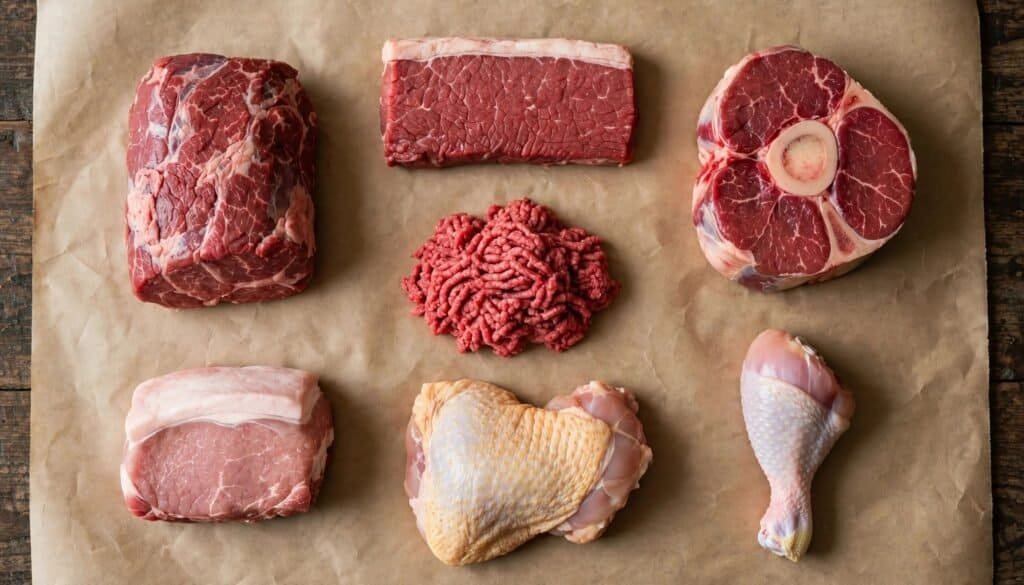
Calculating your carnivore diet macros doesn’t have to be a headache. Whether you’re aiming to shed pounds or build muscle, understanding your macros plays a big role in achieving results.
The good news? You don’t need a calculator or stacks of spreadsheets to make it work. This guide breaks it down into simple, actionable steps, ensuring you stay on track without overthinking the process.
To calculate carnivore diet macros, determine your goal (weight loss, maintenance, muscle gain), then use a 70% fat to 30% protein ratio as a starting point. Adjust based on activity level and track portions simply. Focus on quality protein and fat sources, and listen to your body to refine as needed.
What Are Macros and Why Do They Matter?
Macros, short for macronutrients, make up the foundation of any diet, including the carnivore diet. Understanding how protein, fat, and carbohydrates function together is key to hitting your health or fitness goals. Each macro serves a specific purpose in fueling your body and keeping it running like a well-oiled machine. Let’s break it down.
Protein: The Building Block of Your Diet
Protein is the star player when it comes to muscle building and recovery. Think of it as the scaffolding that holds your body together. On a carnivore diet, where muscle preservation and growth are often priorities, protein becomes even more critical. Eating the right amount ensures your body has what it needs to repair tissue, maintain strength, and stay resilient.
Carnivore-friendly, protein-rich foods include:
- Beef: Ground beef, steak, brisket—choose cuts that match your fat preference.
- Eggs: A versatile, nutrient-packed option.
- Poultry: Chicken drumsticks, thighs, or lean cuts like turkey breast.
- Seafood: Salmon, shrimp, and other fish deliver a protein punch with healthy fats.
When prioritizing protein, consistency is key. Aim for variety to meet your body’s needs while keeping things enjoyable.
Fat: The Primary Energy Source
In the absence of carbs, fat steps in to fuel your body. A carnivore diet flips the traditional “carb-as-energy” script by emphasizing fat as your main energy source. This shift, known as a state of ketosis or “keto”, allows your body to burn fat for energy rather than glucose. It’s a powerful system to tap into.
Here are some great animal-based fat sources to consider:
- Fatty Cuts of Beef: Ribeye steak and brisket are both full of flavor and rich in fat.
- Pork Belly: Delicious and naturally fatty, it’s perfect for satiety.
- Butter and Ghee: Excellent for cooking or even as a topping.
- Tallow and Other Rendered Fats: Ideal for high-heat cooking.
Choosing quality fats also means choosing sustained energy without the blood sugar spikes associated with carbs.
Carbohydrates: Minimal to None
A hallmark of the carnivore diet is its low-carb nature—or often, no carbs at all. Why? Because carbs are not essential for survival when you’re fueling your body with protein and fat. Your body is fully capable of making glucose through gluconeogenesis if it truly needs it. This is why many people experience stable energy levels and mental clarity on a carnivore diet.
By limiting or eliminating carbs, you’re cutting out processed junk food, sugars, and other empty-calorie offenders. This simplification alone can bring better health and weight management. For anyone new to carnivore eating, keeping carbs off the menu simplifies meal planning and aligns with the high-protein, high-fat lifestyle.
Steps to Calculate Your Carnivore Diet Macros
Understanding how to calculate your carnivore diet macros can help you tailor your eating plan to meet specific goals—whether that means shedding fat, maintaining weight, or building muscle. Here’s how you can break it down into simple, actionable steps.
Determine Your Goals: Weight Loss, Maintenance, or Muscle Gain
The first step is deciding what you want to achieve. Your goal directly affects how you’ll set your macro ratios.
- For weight loss, you’ll want a higher fat intake because fat is more satiating and helps your body stay in a fat-burning state.
- If you’re focused on muscle gain, lean toward higher protein. Protein drives muscle repair and growth, making it essential if you’re hitting the gym hard.
- For maintenance, aim for an even balance between fat and protein that supports your energy needs without gaining or losing weight.
Keep in mind, your ratios may look like 70% fat and 30% protein for general weight loss or even as high as 80% fat for deeper ketosis. For muscle growth, you might shift closer to a 60/40 or even 50/50 split depending on your protein demands.
If you’re unsure where to start, tools like this Carnivore Diet Macro Calculator can provide a good starting point tailored to your specific goals.
Using the 70% Fat to 30% Protein Ratio as a Starting Point
One of the most popular ratios for the carnivore diet is 70% fat to 30% protein. It’s a flexible baseline that you can tweak based on your body’s feedback.
To calculate this, determine your required calorie intake. Then, allocate 70% of your calories to fat and 30% to protein:
- Multiply your calorie target by 0.7 for fat calories. Divide the result by 9 (fat has 9 calories per gram).
- Multiply by 0.3 for protein calories. Divide by 4 (protein has 4 calories per gram).
Example: If you’re eating 2,000 calories daily:
- 70% fat = 1,400 calories or ~155 grams
- 30% protein = 600 calories or 150 grams
This foundational ratio works well for most people but can be fine-tuned based on personal experience and goals.
Adjust for Activity Level
Your activity level matters a lot when it comes to finding the right balance of fat and protein. If you’re sedentary, you won’t need as much energy from fat, while active individuals might need more to fuel workouts and daily life.
- Sedentary Lifestyle: Stick to higher fat (70-80%) as you’ll rely more on fat for a steady energy supply.
- Active Lifestyle: Shift to a higher protein (40-50%) so your body has enough amino acids for recovery and muscle building.
For example, if you’re a powerlifter or someone who lifts heavy weights, you may need more protein—typically around 1 gram per pound of lean body mass.
How to Measure Portions Without Stress
Tracking macros doesn’t have to mean obsessing over scales or spreadsheets. Here are a few simple ways to estimate without stress:
- Fat-to-Protein Ratio by Eye: Choose fattier cuts like ribeye or pork belly. These naturally lean toward a 70/30 fat-protein ratio.
- Use Your Hand as a Guide:
- Match a palm-sized serving of meat to approximate 3-4 ounces of protein.
- Fat portions can be measured by a thumb-size (like butter or tallow servings).
- Stick to Simplicity: For many, eating to satiety works well. If you’re full and your energy stays stable, you’re likely hitting your macro needs.
If you’re the type who likes visuals, snap pictures of your meals to track trends. This method keeps things simple and lets you focus on enjoying the process.
By keeping these steps in mind, meeting your carnivore macro goals doesn’t have to feel overwhelming. A little observation and adjustment go a long way in ensuring your diet supports your fitness and health journey.
Macros for Specific Goals

When it comes to the carnivore diet, your macro breakdown can make or break your progress toward specific health and fitness objectives. Whether you’re eyeing weight loss, looking to melt fat while holding on to your hard-earned muscle, or trying to bulk up, tailoring your fat-to-protein ratio is key. Let’s break this down into simple, actionable tips for each goal.
Carnivore Diet Macros for Weight Loss
Weight loss on the carnivore diet hinges on fat intake versus overall calories. While fat is your primary energy source, consuming too much can stall progress. The goal is to tweak your fat intake just enough to stay satiated and energized without overeating.
Here’s how you can approach it:
- Prioritize Protein: Protein isn’t just a building block—it’s your calorie-burning ally. It helps preserve muscle mass while keeping hunger in check.
- Mind Caloric Density: Fat is calorie-dense, packing 9 calories per gram. Opt for slightly leaner cuts of meat, like sirloin or chicken breast, to naturally limit excess calories.
- Listen to Your Body: Your hunger signals are important. Cut back on added fats (like butter and tallow) if you find yourself consistently in a caloric surplus.
Carnivore Diet Macros for Fat Loss Without Muscle Loss
Want fat loss without sacrificing muscle? Striking the right balance between fat and protein is crucial. You’ll need enough protein to protect muscle, but enough fat to sustain energy levels and support ketosis.
Try these tips:
- Keep Protein High: Aim for about 1 gram of protein per pound of lean body mass. This provides the amino acids your muscles need to thrive.
- Moderate Fat Intake: While fat keeps your energy steady, too much will eat into your calorie deficit. Start with a ratio of about 60% fat and 40% protein as a baseline.
- Active Recovery: If you’re lifting weights or staying active, your protein needs might edge higher to repair and build muscle.
Muscle preservation is as much about what you eat as how you train.
Carnivore Diet Macros for Building Muscle
Building muscle takes focus, consistency, and yes, more food! On a carnivore diet, this means increasing protein intake and possibly moving into a calorie surplus with carefully chosen fats.
Here’s the game plan:
- Amp Up Your Protein: Protein is king when it comes to muscle gain. Aim for 1.2 to 2 grams of protein per kilogram of body weight daily.
- Embrace a Caloric Surplus: Eating more calories than you burn creates the foundation for muscle growth. Add fatty cuts like ribeye or pork belly to your meals.
- Lift and Let Your Body Recover: Remember, muscle grows during recovery. Protein supports regeneration while fat delivers the energy you need to crush your next workout.
By tailoring your carnivore diet macros to your specific goals, you can stay focused and consistent. It’s not about overthinking—it’s about simplifying the journey to fit your lifestyle, all while keeping your macros dialed in.
Using Tools to Track Your Macros

Tracking your macros doesn’t have to feel like homework. There’s an array of tools available that can simplify the process, ensuring you stay on top of your carnivore diet goals without sweating the small stuff. Whether you’re all about apps or prefer the old-school method of pen and paper, there’s an option that fits your style.
Carnivore Diet Macro Trackers
When it comes to tracking your macros on a carnivore diet, not all tools are created equal. Here are some top-notch apps and tools designed specifically with the carnivore lifestyle in mind:
- Vore – Carnivore Diet Tracking: This app is user-friendly and offers features like meal logging, symptom tracking, and more. It’s a great option for those looking to keep a detailed record without the hassle.
- Fasting & Carnivore Diet App: Perfect for managing your intermittent fasting schedule alongside your carnivore macros. Its clean interface makes tracking meals and macros straightforward.
- Carnivore Diet Macro Calculator: This tool doesn’t just track macros but helps customize your protein and fat targets based on your specific goals.
These apps simplify the process by doing the math for you. You just input your meals, and they handle the rest. Features like goal setting, charts, and daily logs take the guesswork out of balancing your nutrients, freeing up more time to focus on enjoying your meals.
Manual vs. Digital Tracking
Not sure whether to stick with traditional tracking methods or jump into the digital age? Let’s dissect the pros and cons so you can make the right choice.
Manual Macro Tracking:
- Pros:
- Full control — you’re writing it down, so you learn the process better.
- No tech reliance — a notebook and pen never crash or lose battery.
- Simplifies thinking — keeps you focused on key elements like portion sizes.
- Cons:
- Time-consuming — calculations can get tedious for some.
- No visual trends — lacks dynamic charts or graphs for tracking progress.
Digital Tracking Tools:
- Pros:
- Quick and easy — apps do the math for you in seconds.
- Built-in insights — many tools provide macro trends and meal recommendations.
- Convenient storage — keeps your data in one place for easy access.
- Cons:
- Learning curve — some apps can be a bit overwhelming at first.
- Dependence on tech — tricky if you’re not tech-savvy or lose access.
Either option works, but I find apps more practical for busy lifestyles, especially if you’re fine-tuning your macros for goals like fat loss or muscle building. Still, there’s no harm in keeping it old-school if you enjoy the tactile feel of noting things manually—it’s like the difference between writing with a fountain pen or typing on a sleek keyboard. Pick what aligns with your preferences and goals.
No matter your choice, the goal is simplicity and consistency. Done right, tracking macros is less about obsessing over numbers and more about understanding what fuels your body the best.
Common Mistakes When Calculating Macros
When it comes to calculating your carnivore diet macros, it’s easy to overthink or overlook the details. But here’s the deal: mistakes happen, and that’s okay. What’s important is how you adjust and learn from them. Let’s tackle some of the most common pitfalls people encounter when figuring out their macros.
Overthinking the Process
You don’t need a Ph.D. in nutrition to get this right. Many people get stuck trying to make their macros absolutely perfect, but here’s a secret—perfection isn’t necessary. Your body is dynamic, not a rigid formula.
Instead of obsessing over every gram, keep it straightforward. Start with a solid baseline, like a 70% fat to 30% protein ratio, and allow yourself room to adjust. Your diet’s success doesn’t hinge on being 100% accurate from day one. Small changes—like tweaking your portion sizes based on how you feel—can have a significant impact. Sometimes, just eating the right foods until you’re comfortably full works better than any calculator.
Neglecting Nutrient Quality
It’s not just about hitting your macro numbers; it’s about where those numbers come from. On a carnivore diet, you want your calories to come from high-quality, nutrient-dense sources—not processed junk.
For instance:
- Choose grass-fed beef or pasture-raised eggs over conventionally raised options when possible.
- Avoid highly processed meats like deli slices or meat snacks full of additives.
- Opt for clean animal fats like tallow and butter rather than seed oils.
Poor food quality can undermine your efforts, even if your macros are on point. Remember, nutrient-rich foods support recovery, energy, and overall health.
Ignoring Signs from Your Body
Your body knows more than any app, calculator, or expert. Ignoring physical cues—such as hunger, fatigue, or cravings—leads to unnecessary struggles. Pay attention to:
- Appetite: Are you genuinely hungry, or just eating to meet a macro goal?
- Energy Levels: Feeling sluggish? Consider tweaking your fat intake for better sustained energy.
- Progress Markers: Is your weight loss or muscle-building goal on track? If not, reassess your ratios.
Tuning into your body is critical. It’s not just about putting in the numbers – it’s about creating a lifestyle where you feel good and see results.
Tracking and adjusting based on feedback from your body makes your journey more sustainable.
By steering clear of overthinking, prioritizing quality nutrition, and listening to your body, you’ll be on a smoother path to mastering your carnivore diet macros.
Frequently Asked Questions About Carnivore Diet Macros
When it comes to nailing carnivore diet macros, questions pop up faster than a sizzling steak in hot butter. Whether you’re new to carnivore or already knee-deep in ribeye dinners, knowing your macros can make or break your results. Let’s dive right in and clear up some of the most common questions.
How Do I Know If I’m Eating the Right Amount?
Eating the right carnivore diet macros is less about precision and more about observing how your body feels. Your body will send signals if something’s off. Here’s what to look for:
- Energy Levels: Are you feeling sharp and energized, or sluggish after meals? Consistent energy is a sign you’re on point.
- Hunger Cues: If you’re constantly hungry, you might need more fat. If you’re overly full or bloated, scale back.
- Mental Clarity: Foggy brain? Tweak your fat intake. Your body may need more fuel from fat to burn efficiently.
- Performance: If your workouts or daily activity feel harder, your macros might need adjusting.
The best way to fine-tune your macros is by listening to your body. Adjust based on how you feel day-to-day for sustainable success.
Can I Follow the Carnivore Diet Without Calculating Macros?
Absolutely! Many people thrive on instinctive eating. They eat until they’re full and naturally adjust to what their body needs. But if you’re chasing specific goals – like weight loss or muscle gain – tracking macros can be a game-changer. Why? Because it keeps things precise.
Here’s how it works without tracking:
- Stick to fattier cuts like pork belly or ribeye if you’re feeling tired or cold.
- Prioritize protein during meals to help with muscle preservation.
On the flip side, if you’re not seeing results, tracking your macros for a week or two can spotlight where adjustments might be needed.
What Happens If My Macros Are Off?
When your macros are mismatched, your body will tell you loud and clear. Here’s what can happen if they’re off:
- Too Little Fat: You might feel tired, cold, or even cranky. Fat fuels your energy on this diet, so don’t skimp.
- Too Much Protein: Excess protein can in some cases turn into glucose, making it harder to stay in ketosis. This might lead to energy dips or fat loss stalls.
- Imbalanced Ratios: If your fat-to-protein ratio is too far off, you could feel bloated, experience brain fog, or struggle with hunger between meals.
The fix is usually simple. If energy levels tank, eat more fat. Bloated? Scale protein down. Need a good baseline to start? Aim for a 70/30 split between fat and protein and tweak as needed.
By tuning into your body and making small adjustments, you’ll find your perfect carnivore rhythm. The beauty of this diet is its adaptability – so don’t stress if you don’t get it right from the start.
Conclusion
Finding your ideal carnivore diet macros doesn’t have to be complicated. Start simple, prioritize quality proteins and fats, and let your body guide you. Tracking can help fine-tune your approach, but many thrive without crunching numbers. Remember, the goal is sustainability and results, not perfection.
Take the first step today. Focus on your next meal and keep it straightforward. Trust the process, and let your progress do the talking.
If you want to learn more about which foods you should actually eat, check out this post on the Carnivore Diet Food Pyramid.