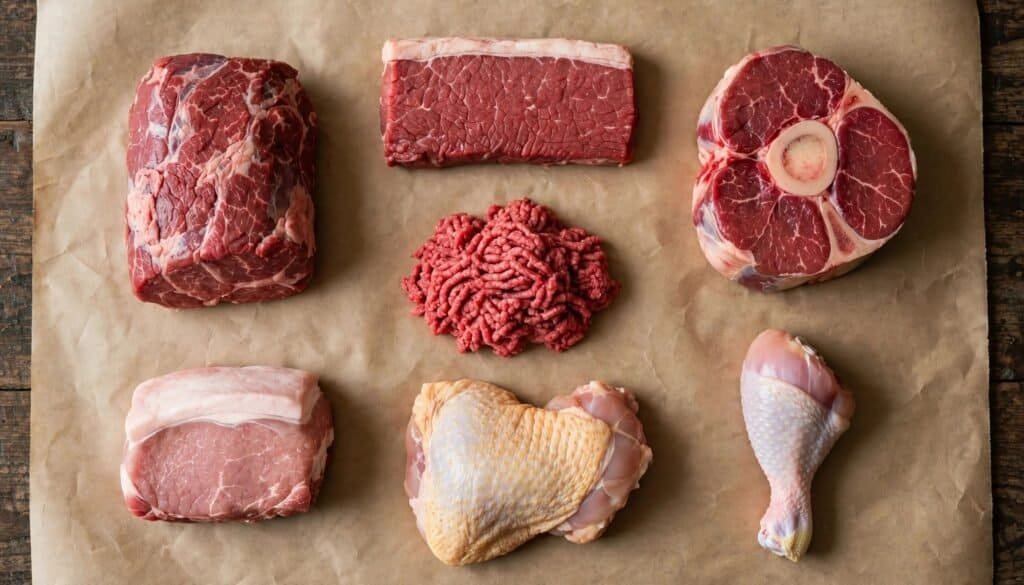
Ever wonder if all types of protein are equal on a carnivore diet? I used to think steak was enough—until I noticed changes in muscle gain, fat loss, and how I felt day-to-day. It turns out, the quality and source of protein you choose make a big difference.
Getting the right types of protein isn’t just about building muscle—it’s about real, lasting health. You’ll also want to know how much protein is in beef, how much protein is in fish, and how to balance your carnivore diet protein intake for your own goals.
In this post, I’ll share the best protein sources, compare cost, include easy charts, and offer my practical tips you can use right away.
Does this sound exciting to you? Let’s cut the fluff and help you feel strong and satisfied on the carnivore diet.
What Makes a High-Quality Protein Source?
If you’re eating a carnivore diet, not all types of protein are created equal. I’ve seen it in my own results—my muscle growth and energy changed completely just by changing up the protein sources. It’s not only about eating enough meat. It’s about choosing the best protein for your body’s needs.
Let’s break down what sets a high-quality protein source apart so you can reach your goals faster and feel your best.
Complete Amino Acid Profile
Your body runs on amino acids—these are the building blocks for everything from muscle repair to hormones. The very best types of protein give your body all nine essential amino acids in the right balance. Think of it as getting a full toolbox instead of just a few random tools.
- Animal proteins like beef, chicken, fish, and eggs are “complete.” They provide the full spectrum you need.
- Plant proteins are often “incomplete.” They may lack one or more essential amino acids, which isn’t ideal for a strict carnivore approach.
When I switched to prioritizing animal-based protein, I noticed muscle recovery sped up and I felt fuller between meals. If you want a steady supply of amino acids for growth and repair, focus on complete sources.
Digestibility and Absorption
Digestion is key. Even if you eat loads of protein, your body needs to absorb and use it. Animal proteins score higher for digestibility. That means you get more amino acids from every bite.
You might see the term “bioavailability” in nutrition circles. Here’s what that means:
- High bioavailability: Your body absorbs and uses most of the protein (meat, eggs, fish).
- Low bioavailability: A bigger chunk goes to waste, and your body works harder for less payoff.
When I paid attention to how my body responded, I realized high-quality animal proteins left me less bloated and more energetic. Want to feel the difference? Try eating a serving of eggs or steak instead of loading up on heavily processed options.
Nutrient Density
The best types of protein pack more than just protein. They come with nutrients your body needs for energy, metabolism, and healing.
Here’s what to look for:
- Vitamins: B12, A, D, K2—found in beef, liver, eggs, and fatty fish.
- Minerals: Iron, zinc, selenium, phosphorus—abundant in red meat and seafood.
- Healthy fats: Help you absorb fat-soluble vitamins, especially from fattier cuts.
When I switched to nutrient-rich sources (like salmon and organ meats), my cravings for junk food dropped. My mood and mental focus picked up, too. If you’re tired of relying on endless supplements, focus on nutrient-dense animal proteins.
Protein Per Serving
Not every cut of meat or fish offers the same punch. If you’re wondering how much protein is in beef or how much protein is in fish, the numbers matter—especially when tracking your carnivore diet protein intake.
- Lean beef (like sirloin): Roughly 22 grams of protein per 3-ounce cooked serving.
- Chicken breast: About 26 grams per 3-ounce cooked serving.
- Salmon: Around 22 grams per 3-ounce serving, plus heart-healthy omega-3 fats.
Curious how these numbers stack up with other meats? Check out the carnivore diet food list with macros for a chart that shows protein per serving and more.
Low Toxins and Additives
Quality isn’t just about what’s in your food—it’s also about what’s not. Highly processed meats, for example, can contain fillers, additives, and preservatives. These aren’t doing your body any favors.
- Choose fresh, whole cuts of meat over deli meats or sausages with a long list of ingredients.
- Look for wild-caught fish and grass-fed or pasture-raised meats for fewer chemicals and a better nutrient profile.
When I started reading labels, I was shocked by what hid in seemingly “simple” foods. Going for clean, whole meats changed my gut health and reduced inflammation.
Takeaway: Not All Meat is Created Equal
Here’s what I wish I knew sooner: The best types of protein aren’t just about quantity—they’re about quality on every level. Pay attention to the full package—how you feel, how you recover, how satisfied you are after eating. The results are worth it.
Next time you shop or cook, think about what makes a protein source high-quality and how it fits your goals for muscle, weight loss, and health. For tips on meeting your goals and managing your carnivore diet protein intake, check out How to Calculate Carnivore Diet Macros Without Overcomplicating It.
Your body will thank you.
Top Animal-Based Protein Sources for a Carnivore Diet
It’s not just about filling your plate with steak every night. The different animal-based types of protein bring unique benefits, flavors, and nutrients to the table. If you’re looking to build muscle, lose fat, or just feel your best, it pays to know what each option offers.
Let’s break down the most popular—and a few surprising—animal-based protein sources you’ll want to have in your meal rotation.
1. Beef: Protein Powerhouse and Nutritional Value
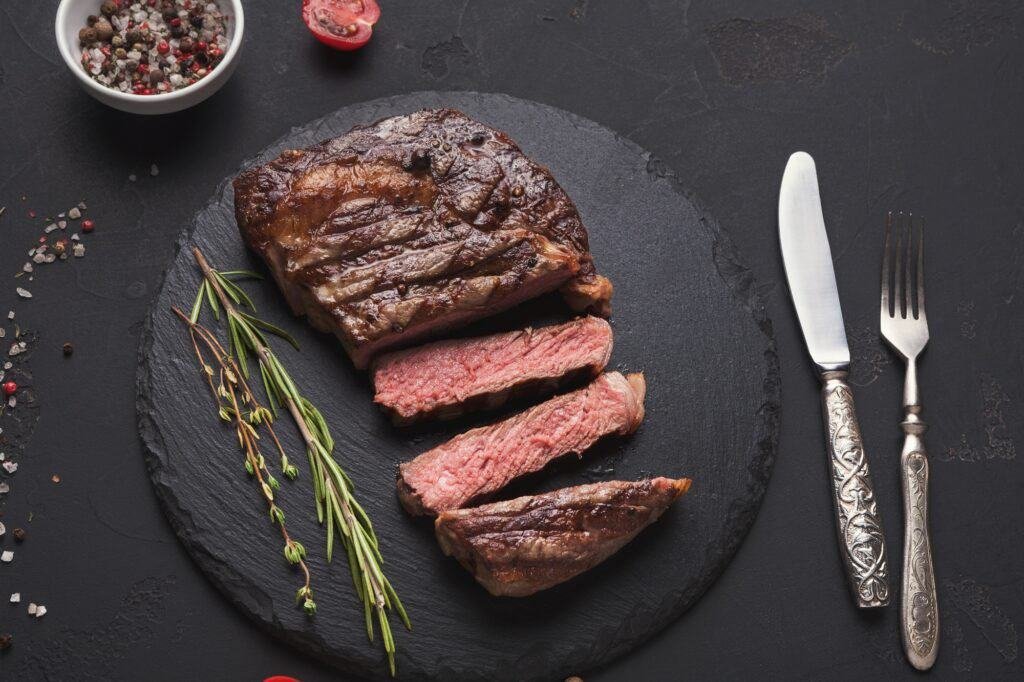
Beef sits at the heart of most carnivore diets, and for good reason. It’s loaded with protein, vitamins, minerals, and healthy fats, especially if you opt for fattier cuts.
Some of my favorite forms include:
- Steak: Classic ribeye, sirloin, and New York strip are rich in flavor and protein. A 3-ounce cooked steak packs about 22–25 grams of protein.
- Ground Beef: This is one of the most budget-friendly and versatile options. Choose 85% lean ground beef for a tasty mix of protein and fat. Each 3-ounce serving contains around 18–22 grams of protein.
- Various Cuts: Don’t skip less expensive cuts like chuck, brisket, or shank. These cuts often have more collagen and connective tissue, which is great for joint health and satiety.
Beef is also rich in iron, zinc, B12, and creatine. One thing I love about beef is how easy it is to cook in bulk—a few pounds of ground beef can last for several meals. Plus, if you shop sales or buy in bulk, beef can fit almost any budget.
2. Chicken: Lean and Accessible Protein
Chicken is my go-to when I want a leaner source of protein or just need a break from red meat.
Here’s what makes chicken a staple:
- Chicken Breast: Super lean with about 26 grams of protein per 3-ounce cooked serving. This is ideal if you want high protein but lower fat.
- Chicken Drumsticks/Thighs: These offer a bit more fat (and flavor), with around 20–22 grams of protein per serving. I find the taste hard to beat, especially grilled or baked.
- Cost: Pound for pound, chicken is usually cheaper than beef. It’s also widely available, making it easy for anyone to stick to the carnivore diet.
When you compare chicken to beef, chicken breast is higher in protein by weight but lower in fat. It’s lighter and can be easier to digest, especially for those just starting out with animal protein. Fish offers similar lean protein, but chicken is almost always more affordable and easier to prep.
Chicken fits well with meal prep. I cook several pounds at once and slice it for salads, stir-fries, or snacks. It’s hard to mess up, and even picky eaters tend to love it.
3. Fish: Salmon, Tuna and Other Options
If you want to mix things up, fish is a fantastic change of pace. It brings a wide spectrum of nutrients—plus, the omega-3s in fatty fish like salmon are a bonus for brain and heart health.
- Salmon: Wild-caught salmon gives you 22–25 grams of protein per 3-ounce cooked serving. It’s also rich in healthy fats that support your joints, mood, and hormones.
- Tuna: If you’re asking “tuna, how much protein?”—one 3-ounce serving of canned tuna (in water) has about 20 grams of protein. Tuna is great for quick meals, and it’s one of the best high-protein fish options.
- Other Fish: Cod, haddock, and tilapia offer around 15–20 grams of protein per serving. They’re lower in fat, light in flavor, and easy to season for variety.
Fish protein is easy to digest and ideal for those who don’t want as much fat as beef or pork.
I like to swap in fish a few times a week for variety and healthy fats. Plus, it cooks fast—baked salmon or tuna salad in minutes.
4. Eggs: Nature’s Complete Protein
Eggs are small but mighty. They give a balanced punch of protein, vitamins, and minerals—all in an affordable shell.
- How Much Protein in One Egg: One large egg delivers about 6–7 grams of high-quality protein.
- Benefits: Eggs are complete proteins, with all the essential amino acids. They’re also a source of choline and selenium.
- Limitations: Eggs can be less filling than a steak or fish fillet. Some folks worry about cholesterol, but I haven’t had an issue eating 3–6 eggs most days.
- Affordability and Digestibility: Eggs are cheap and easy to prepare. I boil, scramble, or even poach them for quick meals. They’re also gentle on the stomach.
I find eggs to be perfect for breakfast or as a protein “top up” when my meals need a boost. They’re a protein source everyone should consider keeping in their routine.
5. Shellfish and Seafood Options
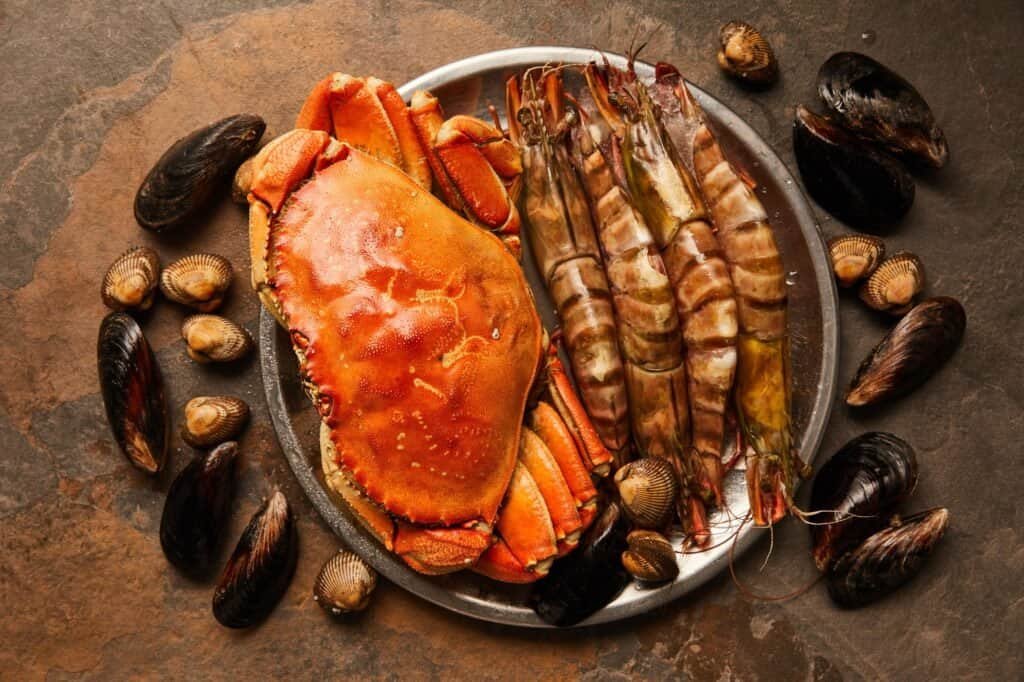
Shellfish bring a lot more than just flavor—they’re true nutrition bombs. Shrimp, crab, oysters, and mussels offer high-quality protein and minerals.
Let’s look at some favorites:
- Shrimp: About 20 grams of protein per 3-ounce serving. Very low in fat and calories.
- Crab: Slightly less protein but rich in minerals like zinc and copper.
- Oysters and Mussels: They have less protein per serving, but are loaded with iron, zinc, and omega-3 fats.
Seafood tends to be easy to digest and lower in calories. Shellfish can be pricier per pound, but the micronutrient boost is hard to beat. I like to add shrimp or oysters as a treat, especially if I feel run-down or short on minerals.
6. Exotic Types of Protein: From Duck to Bison
Sometimes you need to shake things up and keep your meals exciting. That’s where less common animals step in:
- Duck: Higher in fat but rich in flavor. Duck breast can deliver 20 grams of protein per 3-ounce serving and tastes great roasted.
- Lamb: Slightly different nutrient profile with plenty of iron, B12, and protein (20–23 grams per serving).
- Bison: Lean and nutrient dense. Bison steaks give about 22 grams of protein with less fat than beef.
- Venison/Elk: Excellent for those who hunt or want wild game. Very high protein, very low fat.
These options cost more in many places, but they’re fantastic for variety and different flavors. Anytime I get bored with beef or chicken, I grab some bison or lamb for a new experience and a steady supply of nutrients.
7. Organ Meats
Organ meats are the hidden gems of the carnivore diet. They offer dense nutrition that muscle meats can’t match.
- Liver: Known as nature’s multivitamin, with protein, vitamin A, B12, and iron. Even a few ounces make a huge difference.
- Kidney, Heart, Tongue: High in protein, B vitamins, and minerals. Each brings its own taste and texture.
- Benefits: Organ meats are cost-effective, especially when bought from local butchers. They make me feel energized and satisfied with small portions.
For those wanting to really boost their nutrient intake, I always suggest adding organ meats 1–2 times a week. It’s an easy way to support hormone health, iron levels, and overall well-being on an animal-based diet.
One thing is clear: each type of protein—from beef and chicken to fish, eggs, and exotic meats—fits into a smart carnivore diet plan. Rotate protein sources for better nutrition, more flavor, and long-term results. Your body and taste buds will thank you.
Optimal Protein Intake on a Carnivore Diet
Getting the most out of the carnivore diet depends on more than just the types of protein you eat. Knowing how much protein your body needs—and how to hit that target—will sharpen your results.
It’s easy to focus on steak and eggs but getting this balance right changed everything for me. It meant more muscle, better recovery, and less hunger between meals. Let’s break down the basics and get you on track.
Why Protein Intake Matters More Than You Think
If you’re new to carnivore, you might wonder if you need to count grams or just eat until full. My advice? Pay attention, at least for a week or two. I learned that too little protein left me feeling flat and too much—without enough fat—made me cranky and tired.
Here’s the truth: Your body needs protein to build muscle, support your immune system, and repair every cell. On carnivore, it’s simple since animal protein covers all your bases—amino acids, vitamins, and minerals. But how much should you actually eat?
- Muscle gain and strength: If you lift weights and want more muscle, you’ll need more protein.
- Fat loss: Higher protein helps keep you full and protects muscle loss while you lose weight.
- Health and energy: Enough protein supports everything from hormones to hair.
A unique angle? When I boosted my daily protein slightly and watched my fat intake, my energy soared. I stopped feeling “hangry” and saw changes in how I slept and performed during workouts.
How Much Protein Do You Really Need?
There are a lot of opinions online, but here’s what worked for me: start with about 1 gram of protein per pound of ideal body weight per day. If you weigh 150 pounds, aim for around 150 grams of protein. Simple, right? But listen to your body—appetite, recovery, and energy are the best feedback.
Want more specifics? A range of 20 to 30 grams of protein per meal is a solid starting point for most people. If you’re training hard or want to build muscle, you can bump it up, and might even double it.
Tracking Your Protein Intake: Keep It Simple

Don’t get bogged down by numbers. I track my protein for a week or two anytime I change routines or hit a plateau. It helps me spot if I’m short-changing myself or eating too much lean meat and not enough fat.
- Use food scales or apps: Weigh cooked meat at first. Three ounces of cooked beef or fish is about the size of a deck of cards and contains around 21 grams of protein—easy to remember.
- Eyeball portions: Visual cues help. Palm-sized steak or fillet = about 20–25 grams protein per meal.
- Whole eggs: Each one gives you 6–7 grams. Four eggs for breakfast is almost 30 grams—an easy, affordable win.
Why Too Little or Too Much Can Backfire
If I let my protein drop too low, I lose strength and recover slowly. My mood tanks. If I overload on super-lean protein and forget the fat, cravings and low energy sneak in. You might relate—balance is everything.
Watch for these signs:
- Too little protein: Muscle soreness lingers, you’re always hungry, or seeing hair loss.
- Too much protein, not enough fat: Dry skin, crankiness, or low energy. Add fattier cuts if this happens.
Carnivore is flexible. Adjust your protein for your own activity level, goals, and how you feel.
Personal Experience: The Power of Precision
Let me be real. Once I dialed in my protein goals with the right mix of fat, everything clicked. My body composition improved fast. I felt steady—no more wild hunger swings or mental burnout. Does this fit with what you’ve noticed? Don’t just eat meat—eat the right amount, in the right way, for you.
Key Takeaway: It’s All About Tuning Your Intake
You can eat the best types of protein, but you won’t thrive unless you find your sweet spot for protein intake. Start with the basics, listen to your body, and adjust.
Make this a habit, and you’ll see—and feel—the change. Use tracking as a tool, not a chore, and remember: quality and quantity both matter.
Meat Protein Chart: Quick Reference Guide
If you’re like me, you want the facts without fuss. You’re serious about results, and you want to know just how much protein you’re getting from every bite of beef, fish, chicken, and more.
That’s where a quick reference chart for types of protein comes in handy. It makes tracking your carnivore diet protein intake a breeze. I wish I had all this info in one spot when I started; it would have saved hours of searching and second-guessing at the grocery store.
Let’s get straight to the numbers and the answers to “How much protein in beef?” and “How much protein in fish?”—right here for your meal planning.
Quick Reference: Protein in Popular Meats and Fish
Below you’ll find a table for the most common types of protein on a carnivore diet. The serving sizes are cooked and based on three ounces (about the size of a deck of cards).
Numbers can vary with cooking method and fat content, but these are reliable for most meal prep.

Keep the chart image above handy for a quick reference while you plan meals.
Think of this chart like your protein “scoreboard.” When meal prepping or tracking, it keeps you on target without the guesswork.
A Few Unique Finds: High-Protein and Nutrient Gems
Some of the best types of protein get missed if you only look at muscle meats. I’ve found big benefits from rotating in:
- Organ meats like liver or heart: Liver has about 20g protein per 3 ounces and is packed with vitamins.
- Shellfish: Shrimp or oysters hit 15–20g protein per serving, plus offer hard-to-find minerals.
Not only do these boost your protein intake, but they keep meals interesting and well-rounded. I used to ignore organ meats—until I felt the energy boost they delivered.
Tips for Using a Protein Chart (The Way I Do!)
I like to keep it simple, but effective. Here’s how I use my chart daily:
- Meal planning: Quickly add up protein for each meal and spot gaps.
- Tracking: I record my servings if I change my workout routine or have new goals.
- Budgeting: Cheaper cuts like ground beef or chicken thighs help me get plenty of protein without breaking the bank. For a full week of budget-friendly meals built around these cuts, follow my 7-day cheap carnivore diet meal plan.
- Rotation: I use the chart to mix up my protein sources. This keeps nutrition balanced—and meals never boring.
Quick Answers: “How Much Protein in Beef?” and “How Much Protein in Fish?”
Many friends ask me these exact questions. I keep the answers close:
- How much protein in beef? It ranges from 18–25g per 3-ounce serving, depending on the cut and fat percentage.
- How much protein in fish? White fish and tuna usually have 20–22g per 3 ounces; salmon is about 22g, plus healthy omega-3s.
If you like seeing your numbers right in front of you, this approach will make your carnivore diet protein intake simple and stress-free.
Frequently Asked Questions About Protein on a Carnivore Diet
If you’re like me, questions about protein pop up all the time. The carnivore diet is simple, but there’s a lot of confusion about the best types of protein, how much to eat, and what to expect.
I hear people ask the same things I did when starting out. Let’s cut through the noise and get straight answers you can use today.
How Much Protein Should I Eat Each Day?
This is the most common question. You want enough protein to build muscle, recover well, and avoid feeling tired or hungry. I used to think “just eat lots of meat”—but too much or too little can slow your progress.
For most people, eating about 1 gram of protein per pound of lean body weight is a good place to start. I use this rule daily and it delivers steady results. Always listen to your body and adjust as needed.
What Are the Best Types of Protein on Carnivore?
You might wonder if steak is the gold standard or whether fish and eggs matter. The short answer: mixing types of protein is key. Each protein source brings something different to the table. I get my best results by rotating:
- Beef for muscle and iron
- Fish for omega-3s
- Eggs for convenience and vitamins
- Organ meats for even more micronutrients.
Trying new meats keeps meals exciting. Every type of protein has its own benefits for muscle, weight loss, and health.
How Much Protein in Beef vs. Fish?
This question comes up every time I hit the store. It’s easy to forget the numbers, so here’s what I rely on:
- A 3-ounce serving of beef usually has 22–25 grams of protein.
- The same serving of fish is close, with most varieties (like salmon or tuna) at 20–22 grams.
Can You Eat Too Much Protein on Carnivore?
You can—especially if you forget about fats. On pure carnivore, if you eat huge amounts of lean meat without balancing fat, you might feel tired or cranky. I learned this the hard way. My solution? Mix in fattier cuts or eggs so your meals stay satisfying and energizing.
Watch for signs like low energy or cravings. If you notice these, add a bit more fat and see how you feel. It’s like tuning a car—you need the right fuel mix for your body to run well.
Do You Need to Worry About Nutrient Deficiency?
If you eat a mix of meats, eggs, fish, and especially organ meats, you’ll get more than enough nutrients. When I started adding liver once a week, my energy and mood jumped. It’s something many miss on carnivore.
Should I Count Protein Every Day?
You don’t need to count forever. I track protein for a week, then I “eyeball” my portions. If you feel good, build muscle, and recover well, you’re probably on track. If you plateau, track again for a week and see what needs to change.
Takeaway: Don’t Fear Variety
My biggest breakthrough? Don’t just stick to a few types of protein. Mixing things up made meals enjoyable and my results came quicker. Trying new cuts, wild fish, or organ meats keeps things fun and nutritionally complete.
Does this stuff make sense for you? I hope it clears up confusion and lets you approach the carnivore diet with more confidence. Balanced types of protein and flexible tracking have kept me strong and on track for years.
Conclusion
Choosing from different types of protein has transformed my results on a carnivore diet. Mixing up beef, fish, eggs, chicken, and organ meats keeps meals interesting and supports muscle, fat loss, and energy.
The trick is finding the right balance for your own carnivore diet protein intake—not just eating the same thing every day. I urge you to experiment and pay attention to how you feel after trying different sources.
The most lasting shift for me? Don’t get stuck thinking there’s only one “best” option. Change up your protein, adjust your portions, and line your choices up with your goals.
Thanks for joining me—your strength comes from smart choices at every meal.