Eating meat-based doesn’t have to mean buying ribeye every time you shop. You can build filling, protein-rich meals with less expensive cuts on a budget-friendly carnivore diet. Choose cuts suited to slow cooking, batch cooking, or simple skillet meals.
Prices change by store, region, and week, so there’s no single cut that’s always the cheapest. The USDA’s meat price data tracks retail prices for beef and pork cuts, but your best buys depend on what’s on sale where you shop. For a quick skillet option, ask your butcher whether chuck eye steak is competitively priced. These seven cuts are worth checking first when you want to keep your meat budget in line.
Key Takeaways
- Chuck roast, brisket, beef shank, ground beef, pork shoulder, chicken thighs, and drumsticks are cuts worth comparing when you want to keep meat costs down.
- Slow, gentle cooking works well for firm cuts with connective tissue, while ground beef and chicken thighs are quicker options.
- Compare prices per pound and consider how much usable meat each package provides, especially with bone-in cuts.
- Batch cooking and freezing portions can turn one good buy into several meals.
- Use a food thermometer to cook ground meat and poultry to safe temperatures.
1. Beef chuck roast
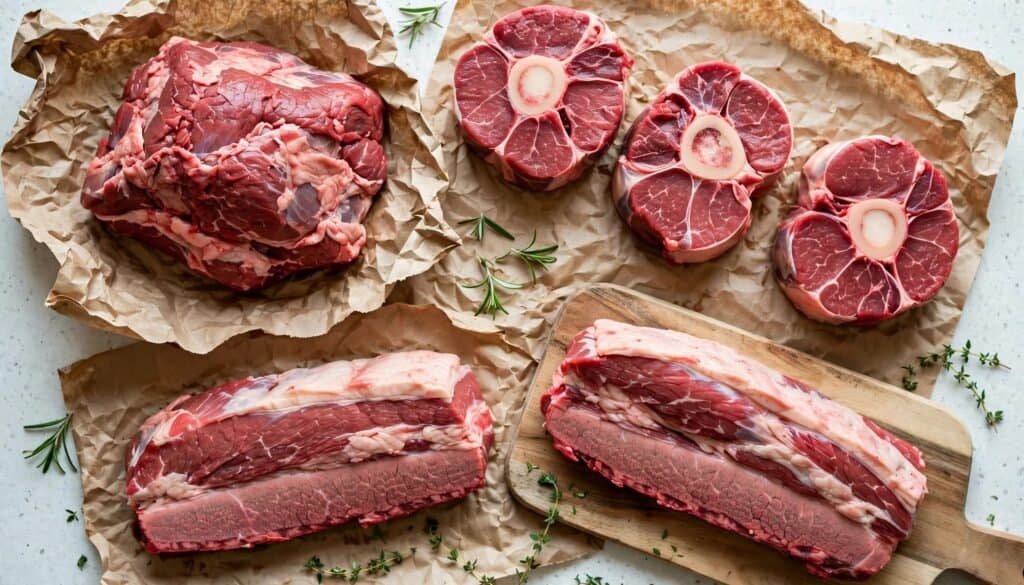
Chuck roast is a dependable budget pick when you want beef that can feed you for more than one meal. Its connective tissue softens during braising, turning this firm cut tender and easy to shred. A chuck eye steak cooks more quickly in a skillet, while a roast benefits from low-and-slow cooking.
Cook a larger roast once, then portion the meat for several meals. You can serve it hot, crisp the leftovers in a skillet, or add it to a bowl of ground beef for more variety. This cut is also a practical way to keep beef in your regular rotation without relying on premium steaks.
2. Beef brisket
Brisket is another cut that rewards patience. It’s a large, firm cut, so it works best when you give it plenty of time to cook gently. That makes it a strong choice for a slow cooker, covered roasting pan, or smoker.
Brisket often comes in a large piece, which makes it useful for batch cooking. Cook it until it’s tender, slice or shred it, and portion it for later meals. If you find brisket at a good price, buying enough for several servings can make the cost per meal easier to manage.
3. Beef shank
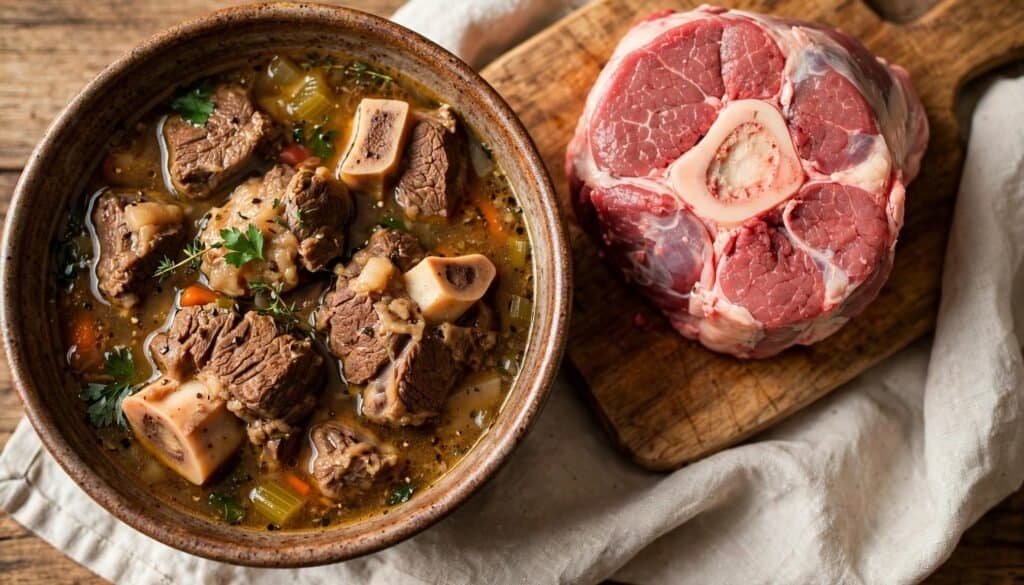
Beef shank comes from the leg and contains bone and connective tissue. It’s a good fit for soups and braising, where a long cooking time softens the meat and adds a rich, beefy quality to the broth.
This cut takes longer than a quick skillet steak, so plan ahead. Let it simmer gently until the meat pulls away easily, then eat it on its own or serve it with the cooking liquid. If you like rich, hearty meals and don’t mind a little extra cook time, shank is an economical cut to keep on your list.
4. Ground beef
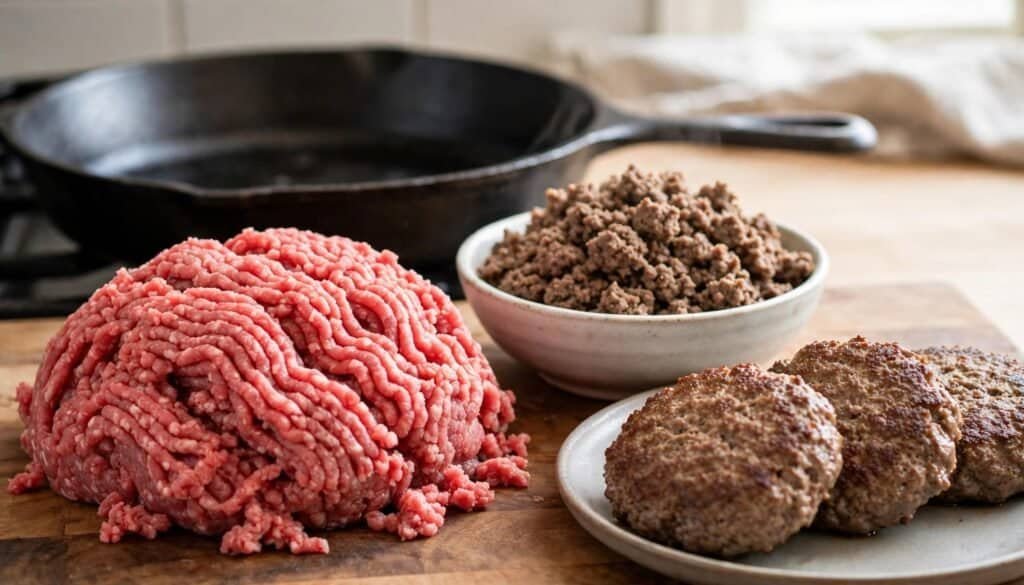
Ground beef is one of the most flexible budget-friendly meats you can buy. You can cook it quickly in a skillet, shape it into patties, or brown a large batch and divide it into meal-sized portions.
The fat percentage affects both flavor and how much fat renders in the pan. Pick the option that suits your appetite and cooking style, then keep the meal simple with salt and the cooking fat you prefer. Ground beef also makes it easy to hit your protein target without spending extra time trimming or preparing a whole cut. For a closer look at beef and other options, see our guide to the best protein sources for the carnivore diet.
5. Pork shoulder
Pork shoulder is a hearty cut that works especially well when you cook it slowly. Its texture and connective tissue make it better suited to roasting or braising than to a quick, high-heat cook.
A whole shoulder can provide several meals, so it’s handy when you want to cook once and eat well for a few days. Season it simply, cook it until tender, and portion the cooked meat for the fridge or freezer. When you’re comparing options, check the price per pound and the size of the cut, since a larger piece can be a better value if you’ll use it.
Pork shoulder is one of the cuts featured in our cheap carnivore diet meal plan, along with other ways to keep meat meals budget-friendly.
6. Chicken thighs
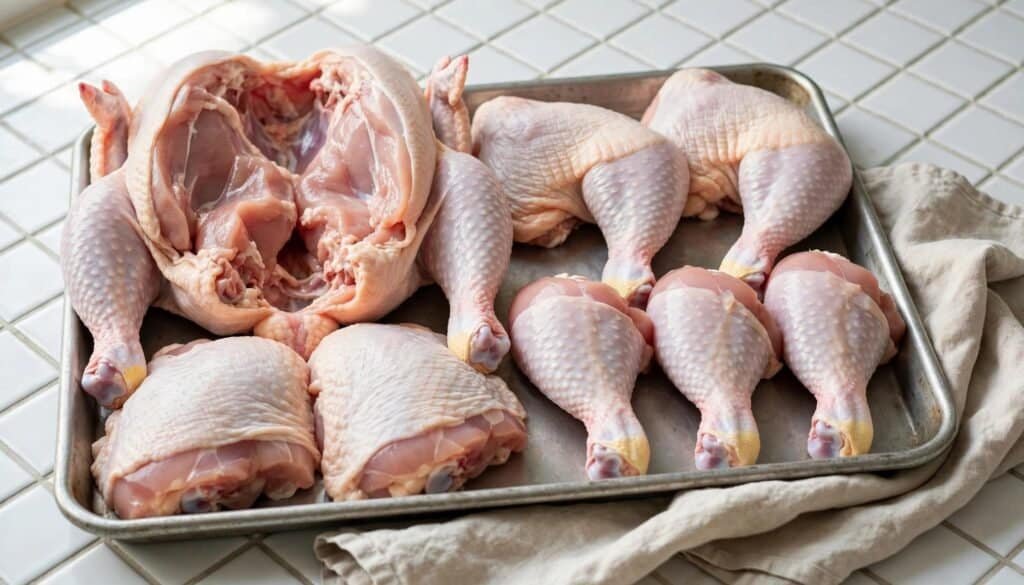
Chicken thighs are often less expensive than chicken breasts, and they’re naturally more forgiving to cook. The extra fat helps them stay juicy, whether you roast them, cook them in a skillet, or bake a large batch for several meals.
Bone-in, skin-on thighs can be a good value, though the best deal depends on the package price and how much usable meat you want. Boneless thighs are faster to prepare, while bone-in thighs give you the option to save the bones for broth. Either way, thighs are an easy way to add poultry to your routine without paying breast-meat prices.
7. Chicken drumsticks
Drumsticks are another budget-conscious poultry option. They’re simple to season and cook, and their built-in portion size makes them easy to prepare for one meal or a larger batch.
Roast a tray at once, then keep leftovers ready for another meal. If you buy bone-in drumsticks, account for the bones when comparing them with boneless meat. They can still be a smart buy when the package price is low and you’re happy to eat meat right off the bone.
Make the Cheapest Cuts of Meat Work for Your Budget
Chuck roast, brisket, shank, and pork shoulder take more time than ground beef or chicken thighs, but their cooking method is simple: use steady, gentle heat and give the meat time to become tender. A slow cooker or covered pot can do most of the work while you get on with your day.
Batch cooking also helps you get more out of a good buy. Cook enough for several meals, cool and portion the leftovers, and freeze what you won’t eat soon. That gives you ready-to-heat meat on busy days and makes it easier to stick with affordable cuts instead of reaching for a pricier option at the last minute.
Organ meats such as liver, heart, and kidney are nutrient-dense options that can be exceptionally inexpensive. Prices and availability vary by location.
For quick meals, ground beef and chicken thighs need less planning. Cook a few servings at once, then reheat them as needed. If you want more ideas for keeping meals simple, browse our easy carnivore diet recipes.
Cook meat to a safe temperature
Use a food thermometer for ground meat and poultry. Ground beef, pork, lamb, and veal should reach 160°F, while poultry should reach 165°F. You can check the full safe minimum internal temperature chart for additional guidance.
Pork steaks, chops, and roasts have a different target: 145°F, followed by a three-minute rest, according to FoodSafety.gov’s temperature chart. Slow-cooked cuts still need to reach a safe temperature, even when you’re cooking them for tenderness.
Frequently Asked Questions
What are some of the cheapest cuts of meat?
Budget-friendly options include chuck roast, brisket, beef shank, ground beef, pork shoulder, chicken thighs, and drumsticks. Prices vary by store, region, and week, so compare what is on sale near you.
Which inexpensive cuts work best for slow cooking?
Chuck roast, brisket, beef shank, and pork shoulder are suited to slow cooking. Gentle heat and extra time help make these firm cuts tender.
How can I make cheap cuts of meat go further?
Cook a larger batch, divide the cooked meat into meal-sized portions, and refrigerate or freeze what you won’t eat soon. This gives you ready-to-heat meals and helps you use the full purchase.
Are bone-in chicken thighs and drumsticks good value?
They can be a good buy when the package price is low, but compare how much usable meat you get with boneless options. Bone-in thighs also give you the option to save the bones for broth.
What temperature should ground beef and poultry reach?
Ground beef should reach 160°F, and poultry should reach 165°F. Use a food thermometer to check the temperature.
Conclusion
The cheapest cuts of meat for your routine are the ones you can buy at a good price and cook in a way you enjoy. Start with chuck roast, brisket, shank, ground beef, pork shoulder, chicken thighs, and drumsticks. Compare prices at your store, cook the slower cuts low and slow, and use batch cooking to turn one solid purchase into several satisfying meals.