The carnivore diet is as simple as it gets – meat, eggs, and animal-based foods without the fuss. But sticking to it can feel overwhelming, especially without meal ideas.
That’s where these free carnivore diet recipes step in, offering stress-free meals to keep your goals in check. Whether you’re a beginner or just need inspiration, easy carnivore diet recipes can simplify this lifestyle. Let’s make your next meal both satisfying and effortless.
What is the Carnivore Diet?
The carnivore diet is one of the most talked-about eating plans today, and it’s exactly what it sounds like – a meat-only lifestyle. It’s simple, straightforward, and strips away the need for calorie counting or ingredient label reading. But, is it for everyone? Let me break it down a little.
The Basics of the Carnivore Diet
At its core, the carnivore diet is about eating only animal products. That means red meat, poultry, fish, eggs, and some dairy (like butter or cheese, if tolerated). No fruits, vegetables, grains, or anything plant-based. Why? The idea is to cut out foods that might be causing inflammation or other issues in the body.
Think of it as going back to basics. You’re eating like our ancestors might have, long before modern farming brought plants and carbs into the mix.
What You Can Eat
Here’s a quick rundown of carnivore-friendly foods:
- Red Meat: Beef, lamb, pork, and other cuts.
- Poultry: Chicken, turkey, duck.
- Seafood: Fresh fish, shrimp, scallops, and shellfish.
- Eggs: Any style, any time.
- Dairy: Hard cheeses, butter, and heavy cream (but keep it low if you’re lactose intolerant).
- Other Animal-Based Options: Bone broth and organ meats for added nutrients.
Benefits of the Carnivore Diet
Many people turn to the carnivore diet for health reasons. Here’s why it’s gained attention:
- Simplicity: No need to count calories, carbs, or fats—just focus on animal-based foods.
- Elimination of Potential Irritants: Removing all plants may help those struggling with gut issues or allergies.
- Supports Ketosis: This diet is inherently low-carb, which can help you burn fat for fuel.
- Improved Energy: This diet leads to steady energy levels without the crashes carbs can bring.
Essential Ingredients for Carnivore Diet Meals
When you’re crafting meals for the carnivore diet, simplicity is your best friend. This lifestyle thrives on high-quality animal-based ingredients. But not all cuts of meat or protein sources are created equal. Knowing what to keep in your kitchen can make meal prep effortless and delicious. Let’s break down the essentials you’ll want to stock up on, whether you’re starting out or you’re a seasoned carnivore.
High-Quality Meats
At the core of every carnivore meal is the meat. Quality matters, not just for taste, but for the nutritional benefits too. Always opt for grass-fed and pasture-raised options when possible because they offer more nutrients than conventional choices. Here’s what to have on hand:
- Beef: Ribeye, ground beef, brisket, or any cut you love.
- Pork: Think bacon, pork belly, or tenderloin.
- Lamb: Lamb chops, ground lamb, or leg of lamb.
- Wild Game: Venison, bison, and elk are packed with flavor and nutrients.
Seafood and Shellfish
If you’re looking for variety, seafood is a staple that checks all the boxes for easy carnivore diet recipes. Not only does it cook quickly, but it’s also a nutritional powerhouse. Here are your best options:
- Fish: Opt for fatty varieties like salmon, mackerel, or tuna.
- Shellfish: Shrimp, scallops, crab, and lobster are fantastic additions.
- Wild-Caught Options: Always aim for wild-caught for fewer chemicals and a better nutrient profile.
Eggs
Eggs are a carnivore staple because they’re versatile, affordable, and nutrient-dense. Go with pasture-raised eggs whenever possible to maximize quality. Scramble them, fry them, or make hard-boiled eggs for a quick snack.
Fat Sources
Fat is crucial on the carnivore diet to keep you full and energized. Don’t skimp here! Integrating healthy fats can make meals not only tastier but also more satisfying.
- Animal Fats: Beef tallow, pork lard, or duck fat for cooking.
- Butter and Ghee: Perfect for searing meats or topping off a steak.
- Bone Marrow: Use it in broths or as a treat on its own.
Organ Meats
These nutrient-packed powerhouses are often overlooked but pack a punch. Organ meats provide essential vitamins and minerals, which are especially important if you’re eating a nose-to-tail carnivore diet.
- Beef Liver: Rich in vitamins A, D, E, and K.
- Kidney and Heart: Full of iron and other critical nutrients.
Dairy (Optional)
For those who tolerate it, dairy can add variety and richness to your carnivore recipes. Think of cheese for snacking or heavy cream for sauces.
- Butter: The most common and versatile option.
- Hard Cheeses: Cheddar, parmesan, or gouda can be great additions.
Be cautious though; not everyone handles dairy well, so listen to your body.
Pantry Basics for Flavor
While the carnivore diet is about simplicity, adding basic seasonings can elevate your meals without breaking the “rules”. Stock your pantry with:
- Salt: A must-have; opt for sea salt or pink Himalayan salt for added minerals.
- Pepper: Optional, but great for flavoring.
- Bone Broth: Use it for soups or sipping—excellent for hydration and minerals.
By focusing on these essential ingredients, you’ll never feel stuck deciding what to cook next. Whether you’re whipping up a quick ribeye or searing some salmon, the key is keeping your pantry and fridge stocked with high-quality options designed to keep you energized, satisfied, and thriving.
1. Free Carnivore Diet Recipes for Breakfast
Starting your day on the carnivore diet doesn’t mean sacrificing flavor or variety. Breakfast can still be a satisfying, protein-packed meal that fuels your energy while keeping things simple and nutrient-dense. Here are three fantastic recipes to kickstart your mornings on the right note.
Recipe 1: Classic Steak and Eggs
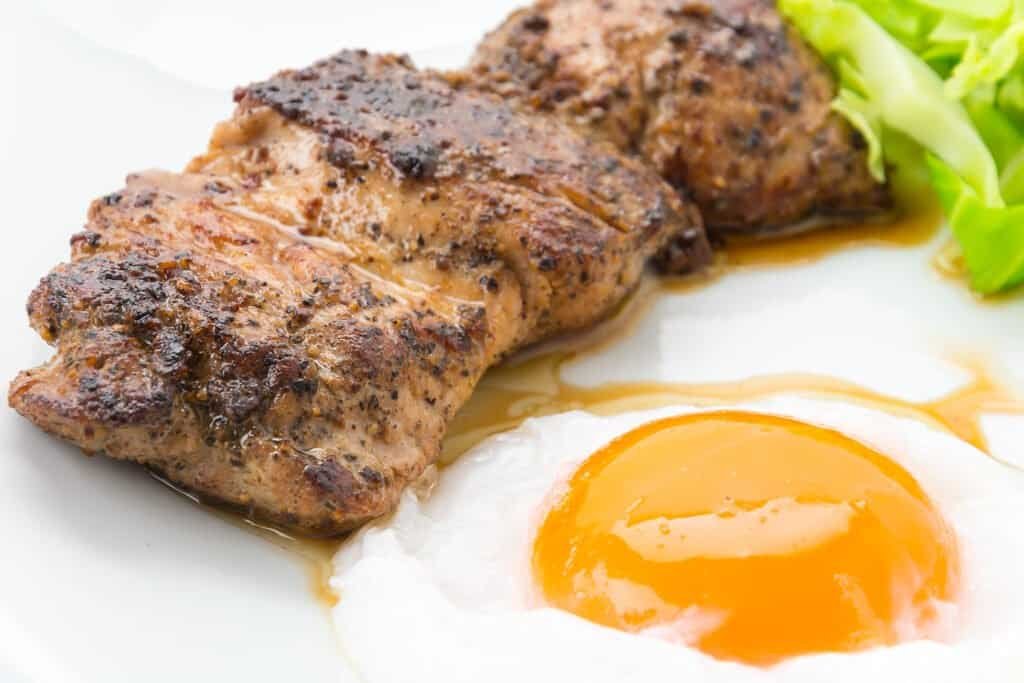
Nothing beats the simplicity of a steak and eggs breakfast. This combo is not just about flavor—it’s loaded with protein, fats, and essential nutrients to keep you satisfied.
Ingredients:
- 1 ribeye steak (or preferred cut)
- 2-3 large pasture-raised eggs
- 1 tbsp beef tallow or ghee for cooking
- Sea salt and optional black pepper for seasoning
Instructions:
- Heat your skillet on medium-high heat and add the tallow or ghee.
- Season your steak generously with sea salt (and black pepper if desired).
- Sear the steak for 3-4 minutes per side, adjusting time based on your desired doneness.
- Remove the steak and let it rest. Add a bit more fat to the skillet, then crack in your eggs.
- Cook the eggs sunny-side up or over-easy for runny yolks that double as a natural sauce for the steak.
Pro Tip: Sprinkle a little smoked sea salt on your steak for added depth or drizzle melted butter on top for an extra touch of richness.
Recipe 2: Carnivore-Friendly Egg Muffins

If you’re always on the go, these egg muffins are a lifesaver. Packed with protein and easy to batch-cook, they’re perfect for meal prep.
Ingredients:
- 6 large eggs
- 1/2 cup diced bacon, sausage, or ground beef
- 1/2 cup grated cheese (optional, if tolerated)
- 1/4 cup heavy cream (for fluffier texture)
- Sea salt
Instructions:
- Preheat your oven to 375°F (190°C) and grease a muffin tin with butter or tallow.
- Cook the diced meat in a skillet until browned. Let it cool slightly.
- In a mixing bowl, whisk together eggs, cream, cheese (if using), and salt.
- Divide the meat evenly among the muffin cups, then pour the egg mixture over, filling each cup about 3/4 full.
- Bake for 15-18 minutes or until the muffins are set and lightly golden.
Pro Tip: These can be stored in the fridge for several days or frozen for longer storage. Reheat them in the oven or microwave for a quick, hassle-free meal.
Recipe 3: Homemade Bone Broth

Bone broth might not sound like your typical breakfast, but it’s an incredible way to start the day. Warm, nourishing, and full of collagen and minerals, it supports gut health and keeps hunger at bay.
Ingredients:
- 2-3 lbs of beef bones (knuckles, marrow bones, or oxtails work best)
- 1-2 tbsp apple cider vinegar
- Filtered water
- Sea salt to taste
Instructions:
- Roast the bones at 400°F (200°C) for 30 minutes to enhance flavor.
- Add the roasted bones to a large pot or slow cooker. Top with vinegar and water to cover the bones completely.
- Simmer on low for 12-24 hours. If using a pressure cooker, cook for 2-3 hours.
- Strain the broth to remove solids. Season with salt to taste and enjoy warm.
Pro Tip: Pour the broth into mason jars and refrigerate or freeze. It solidifies when chilled due to the natural gelatin—don’t skim this off, it’s pure gold for your joints and skin.
By incorporating these free carnivore diet recipes for beginners, you’ll never feel stuck trying to figure out what’s for breakfast. These dishes are not only delicious but also align perfectly with your carnivore lifestyle, providing energy and satiety to power through your day.
2. Free Carnivore Diet Recipes for Lunch
Lunch on the carnivore diet doesn’t have to be boring or complicated. With a bit of creativity, you can whip up delicious meals that satisfy your hunger and keep you on track. Whether you’re a seasoned carnivore or just starting out, these recipes are simple, straightforward, and packed with flavor. Let’s dive in!
Recipe 1: Juicy Burger Patties without the Bun

Who says you need a bun to enjoy a burger? These juicy patties serve up all the flavor without any of the carbs. Perfect for a quick lunch or meal prep!
Ingredients:
- 1 lb ground beef (preferably 80% lean)
- 1 tsp sea salt
- 1/2 tsp black pepper (optional)
- 1 tbsp beef tallow or ghee for cooking
Instructions:
- Preheat a skillet or grill over medium-high heat.
- Form the ground beef into 4 equal patties, pressing them gently to ensure even cooking.
- Season each patty liberally with sea salt and pepper.
- Add the tallow or ghee to the skillet or brush it onto the grill grates.
- Cook the patties for about 3-4 minutes per side, or until they reach your desired level of doneness.
- Remove from heat and let them rest for a couple of minutes before serving.
Pro Tip: Top your patties with a slice of melted cheese or serve with crispy bacon for an extra treat. Want more meal prep ideas? Just keep these patties refrigerated for up to four days—they reheat beautifully!
Recipe 2: Grilled Chicken Thighs with Animal Fat

Chicken thighs are a staple of the carnivore diet thanks to their rich, tender meat and higher fat content. When cooked with animal fat, they’re impossible to resist!
Ingredients:
- 6 bone-in, skin-on chicken thighs
- 2 tbsp duck fat, lard, or ghee
- 1 tsp salt (adjust to taste)
Instructions:
- Preheat your grill or oven to 400°F (205°C).
- Rub the chicken thighs with duck fat, then sprinkle generously with salt.
- If grilling, place the thighs skin-side down for 4-5 minutes to get a nice char. Flip them and cook for an additional 5-7 minutes until the internal temperature reaches 165°F.
- If using an oven, line a baking sheet with foil and bake for 25-30 minutes, turning occasionally to ensure crispy skin.
- Let the thighs rest for a few minutes before serving.
Pro Tip: Cooking with animal fat locks in moisture and adds incredible flavor. You can save any drippings to drizzle over the finished chicken!
Recipe 3: Pan-Seared Salmon
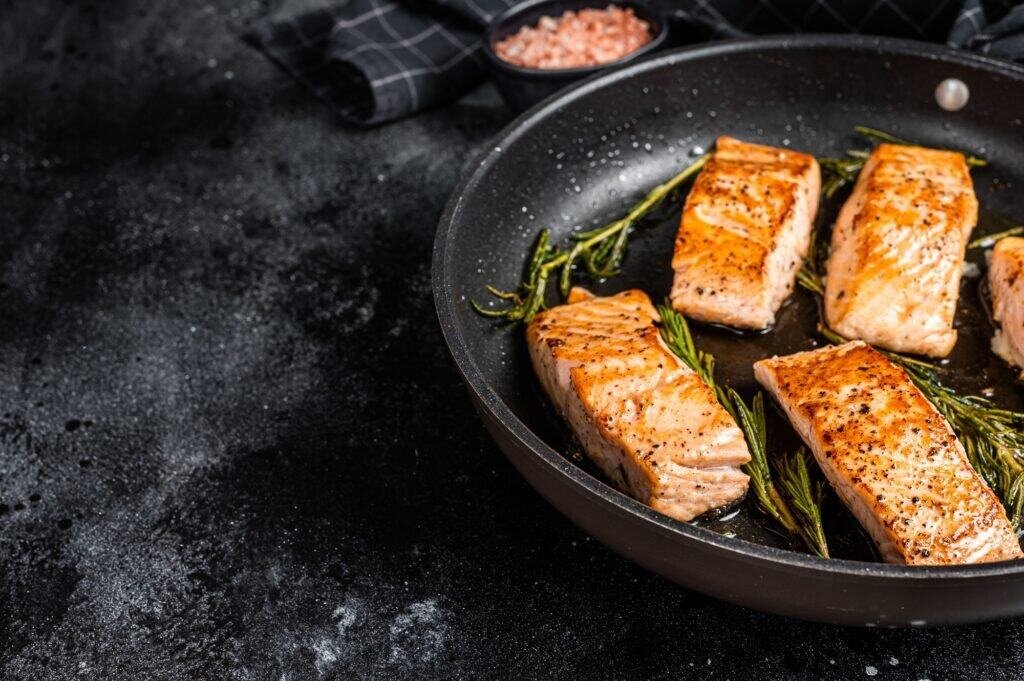
Salmon is an all-star carnivore dish—rich in omega-3s, packed with flavor, and quick to cook. Pan-seared salmon is a lunch that feels fancy without the fuss.
Ingredients:
- 2 salmon fillets (about 4-6 oz each, skin-on)
- 1 tbsp beef tallow or clarified butter (ghee)
- Sea salt, to taste
Instructions:
- Heat a large skillet over medium-high heat and melt the tallow or ghee.
- Pat your salmon fillets dry with a paper towel and season generously with sea salt.
- Place the fillets skin-side down in the pan. Let them cook undisturbed for about 4 minutes, allowing the skin to crisp up.
- Flip the fillets and cook for another 2-3 minutes, depending on the thickness, until they’re just opaque in the center.
- Remove from heat and serve immediately.
Pro Tip: Feeling fancy? Squeeze a bit of lemon over the salmon for a fresh zing (optional for carnivore purists). Pair with a side of bone broth for a complete meal.
Nothing beats the simplicity of free carnivore diet recipes for beginners like these. Not only are these dishes easy to prepare, but they also prove that sticking to the carnivore diet doesn’t mean sacrificing variety or taste. Get creative, and enjoy every meaty bite!
3. Free Carnivore Diet Recipes for Dinner
Dinnertime on the carnivore diet doesn’t have to be repetitive or bland. With a few simple steps and high-quality ingredients, you can create satisfying meals that are rich in flavor and easy to prepare. Here are three delicious dinner ideas to keep your evenings exciting and totally carnivore-friendly.
Recipe 1: Slow-Cooked Beef Roast
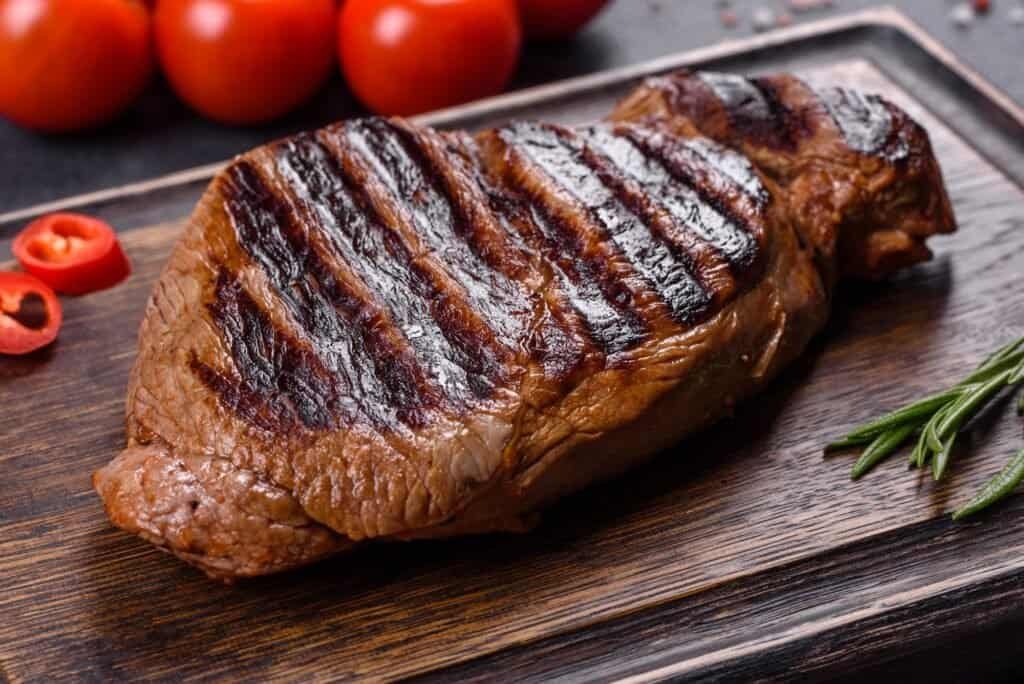
A tender beef roast, slow-cooked to perfection, is the ultimate comfort food. It’s hearty enough for any appetite and super easy to make.
Ingredients:
- 3–4 lbs beef chuck roast
- 2 tbsp beef tallow
- 1 tbsp sea salt
- Optional: garlic powder (if you tolerate spices)
Instructions:
- Rub the chuck roast generously with sea salt and garlic powder (optional).
- Heat the beef tallow in a cast-iron skillet over medium-high heat.
- Sear the roast on all sides until browned, about 3 minutes per side.
- Transfer the roast to a slow cooker and set on low heat.
- Cook for 8–10 hours, basting occasionally with the juices, until the meat is fall-apart tender.
Pro Tip: Serve with a ladle of the nutrient-rich juices, or save the broth to use in another recipe.
Recipe 2: Garlic Butter Lamb Chops

Rich, savory, and packed with protein, lamb chops cooked in garlic butter are a satisfying zero-carb meal that feels indulgent.
Ingredients:
- 6 lamb loin chops
- 3 tbsp unsalted butter
- 1 tsp minced garlic (or garlic powder for simplicity)
- Sea salt, to taste
Instructions:
- Heat a large skillet over medium-high heat and melt 2 tbsp of butter.
- Season both sides of the lamb chops with salt.
- Add garlic into the melted butter, stirring to prevent burning. Then, place the chops in the skillet.
- Cook for 3–4 minutes per side for medium-rare, or adjust for your desired doneness. Add the remaining butter and baste the chops during the last minute of cooking.
- Remove from the skillet and let rest for 5 minutes before serving.
Pro Tip: Lamb pairs perfectly with a warm bone broth for a nourishing meal.
Recipe 3: Crispy Pork Belly

Crispy pork belly is a showstopper dish that’s surprisingly easy to prepare. The key to getting that perfect crackling? Dry skin and high heat.
Ingredients:
- 2 lbs pork belly, skin-on
- Sea salt
- Optional: 1/2 tsp white vinegar for crispy skin
Instructions:
- Score the skin of the pork belly with a sharp knife, being careful not to cut into the meat.
- Pat the skin dry with paper towels, then rub generously with salt. Let it sit uncovered in the fridge for 2–4 hours to dry out the skin.
- Preheat your oven to 450°F (232°C).
- Place the pork belly skin-side up on a roasting rack. Optionally, brush with white vinegar for extra crispiness.
- Roast for 20–25 minutes, then lower the heat to 375°F (190°C) and cook for an additional 40 minutes.
- Let it rest for 10 minutes before slicing into bite-sized pieces.
Pro Tip: Crispy pork belly tastes great on its own or as a topping for other carnivore dishes.
These free carnivore diet recipes for dinner show just how delicious and easy this lifestyle can be. With minimal effort, you can whip up meals worthy of a restaurant right in your own kitchen! These recipes are proof that sticking to the carnivore diet doesn’t mean skimping on flavor.
4. Free Carnivore Diet Recipes for Snacks
Everyone craves a good snack once in a while. But finding something that’s both satisfying and fully carnivore can sometimes feel a bit tricky. Don’t worry, I’ve been there, staring into the fridge wondering what to eat between meals. That’s why I’ve gathered some of my favorite free carnivore diet snack recipes for beginners. They’re simple to make, packed with protein, and great for anyone on this lifestyle.
Recipe 1: Homemade Beef Jerky
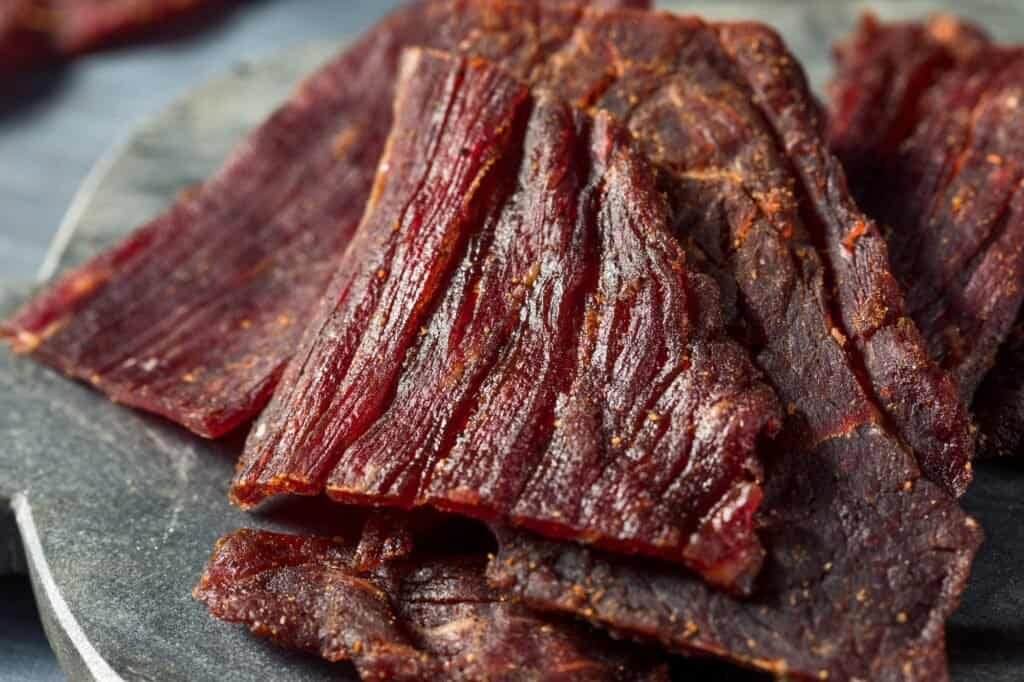
Beef jerky is the ultimate snack on the carnivore diet. It’s portable, delicious, and can be made with just a few basic ingredients. Skip the store-bought version—many brands sneak sugar and preservatives into their recipes. Making it at home is easy and much healthier.
Ingredients:
- 1 lb beef (use lean cuts like round steak or flank steak)
- 1 tsp sea salt
- Optional: 1/2 tsp garlic powder (if tolerated)
Instructions:
- Slice the beef thinly, about 1/8 inch thick. Cutting against the grain will give it a tender chew, while slicing with the grain makes it tougher.
- Season the beef strips with salt (and garlic powder if using). Massage the seasoning in for even coverage.
- Place the strips on a baking rack over a lined baking sheet. This allows air to circulate for better drying.
- Bake at the lowest oven setting (usually 170°F) for 4-6 hours, until the jerky is dry and slightly pliable.
Pro Tip: Store your homemade jerky in an airtight container for up to a week, or freeze it for long-term storage.
Recipe 2: Baked Pork Rinds
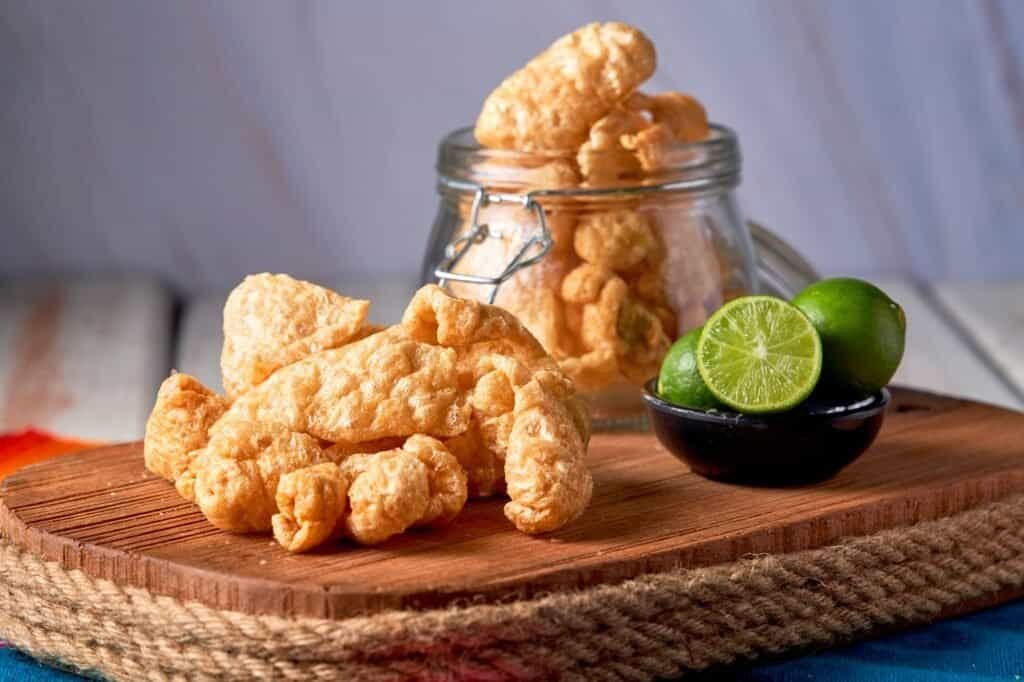
Move over, store-bought pork rinds! Crispy, crunchy, and entirely carnivore, baked pork rinds are a game-changer. They’re a great alternative to chips and perfect for dipping into carnivore-friendly sauces.
Ingredients:
- 1 lb pork skin (ask your butcher for fresh pork skin)
- 1 tbsp sea salt
- Optional: pork fat or lard for added flavor
Instructions:
- Preheat your oven to 300°F (150°C).
- Cut the pork skin into small, bite-sized pieces. Pat them completely dry using a paper towel.
- Spread the pieces on a baking sheet lined with parchment paper. Sprinkle generously with salt.
- Bake for 2-3 hours, flipping halfway through, until the pork rinds puff up and become crispy.
Pro Tip: For extra crunch, increase the oven temperature to 375°F for the last 10-15 minutes.
Recipe 3: Carnivore Egg Wraps

Egg wraps are like the Swiss Army knife of carnivore snacks. They’re versatile, loaded with protein, and can be used to “wrap” bacon or shredded meat, or even eaten on their own.
Ingredients:
- 2 large pasture-raised eggs
- 1 tbsp butter or ghee
- Optional: shredded cheese (if you tolerate dairy)
Instructions:
- Whisk the eggs in a bowl until fully blended.
- Heat a non-stick skillet over medium heat and add the butter or ghee.
- Pour the eggs into the skillet, swirling to create a thin layer. Think of it like making a crepe.
- Cook for 1-2 minutes until the edges start lifting. Flip carefully with a spatula and cook for another minute.
- Remove from the skillet and let cool. Fill with your favorite carnivore toppings or enjoy plain!
Pro Tip: Double the recipe to batch-cook wraps for the week. They’re easy to store in the fridge and reheat!
These easy carnivore diet recipes prove that snacking doesn’t have to be boring when following this lifestyle. Whether you’re craving something crispy, chewy, or versatile, these recipes are here to satisfy your hunger in the most delicious way.
Bonus: Tips for Meal Planning on the Carnivore Diet
Starting and sticking to the carnivore diet can feel intimidating if you’re not prepared. That’s where meal planning comes in—it ensures you have everything you need to thrive while avoiding temptation. Whether you’re juggling a busy work schedule or trying to save money, these practical tips will make carnivore meal planning a breeze.
Stock Your Kitchen with Essentials
First things first—get your kitchen carnivore-ready. Having the right ingredients on hand is crucial for meal planning success. Focus on high-quality, animal-based foods like:
- Beef and Pork: Buy in bulk—ground beef, steaks, pork chops, and bacon are staples.
- Seafood: Consider frozen options for variety (like salmon or shrimp).
- Eggs and Dairy: Stock up on pasture-raised eggs, butter, and hard cheeses.
- Animal Fats: Keep beef tallow, lard, and ghee for cooking.
Prep in Batches
Batch cooking is one of the smartest hacks for carnivore meal planning. Dedicate one or two days a week to cook meats in bulk:
- Grill several pounds of steak or chicken thighs at once.
- Cook a large roast in a slow cooker overnight.
- Boil or bake a dozen eggs for grab-and-go snacks.
Once everything is prepped, divide meals into containers. This not only saves time but also makes portion control effortless.
Double Down on Substitutes
When I first started the carnivore diet, I missed certain comfort foods. Over time, I found that creative substitutes made all the difference. Craving crunchy snacks? Opt for baked pork rinds instead of chips. Missing pasta? Try seared meats topped with a dollop of butter or cheese as a savory replacement.
Plan Your Meals Around Fat
Eating enough fat is key on the carnivore diet—it keeps you full and energized. When planning meals, aim to pair leaner cuts like chicken breast with sources of fat such as:
- Butter
- Heavy cream sauces
- Bacon or pork belly
Always Have a Backup Plan
Life happens, and sometimes meal plans get thrown off. That’s why having easy-to-cook options, like frozen burger patties or canned salmon, is so important. Keep these backups on hand for those busy days when prep goes out the window.
Following these tips consistently can save you time and stress while maximizing your results on the carnivore diet. The key is preparation—you’ll thank yourself later!
Summing up
Free carnivore diet recipes bring simplicity and flavor to your table, making this lifestyle easier than ever. These recipes show that healthy eating doesn’t have to be complicated. Whether you’re starting out or a seasoned pro, having a variety of easy carnivore diet recipes in your arsenal can keep meals exciting and sustainable.
From energy-packed breakfasts to satisfying dinners, there’s something for everyone. Don’t let boredom derail your progress—try new recipes, experiment, and stay focused on your health goals. Ready to take charge of your diet and see results? Start planning your next meat-based meal—it could be the step that transforms your health journey.