If you follow a carnivore style and want to build muscle while staying lean, you’ve probably wrestled with hunger and calories. I keep it simple and target 2 to 2.2 grams of protein per kg of target body weight, even when cutting. Fat still matters because calories matter, whether I’m in a deficit, at maintenance, or in a small surplus.
Here is my plan:
set protein first, cap fat to fit the calorie goal, choose lean foods, and plan my meals. This approach helps you build muscle and manage fat intake effectively.
If you want a simple framework for How to Hit Protein goals, you’re in the right place.
How to Hit Protein Targets without Overeating Fat
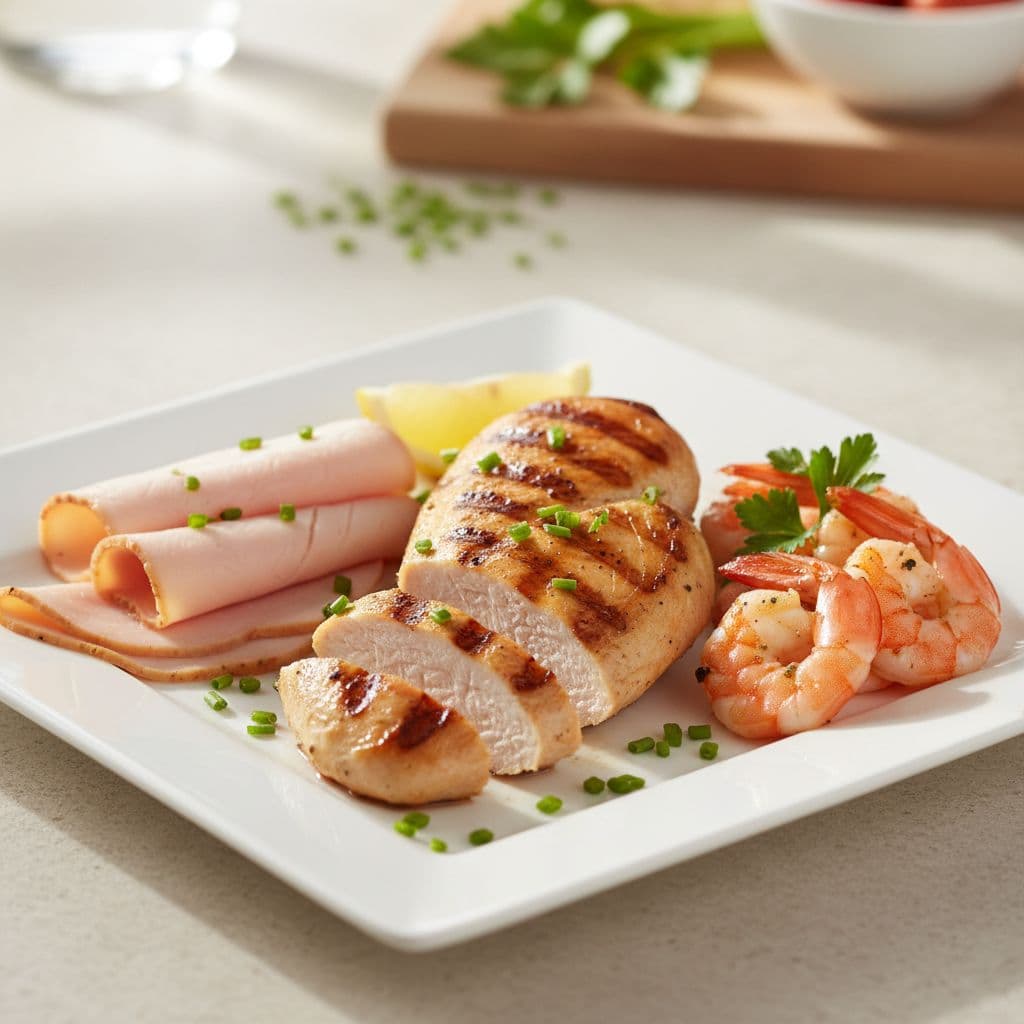
Here is the roadmap I use every day.
- Set protein first. I use 2 to 2.2 grams per kg of target body weight. If my target body weight is 90 kg, that gives me 180 to 198 grams of protein per day.
- Set calories based on my goal. If I want fat loss, I use a 10 to 20 percent deficit. If I want muscle, I use a small surplus, about 5 to 10 percent. Maintenance sits in the middle. I do not guess. I set a number and track it for two weeks to confirm.
- Convert protein grams to calories, then give the rest to fat. Protein is 4 kcal per gram, fat is 9 kcal per gram. After I lock in protein calories, I know how many calories I have left for fat. Divide that by 9 to get fat grams. That is my daily fat budget.
This structure removes stress and guesswork. Protein stays high to support muscle and hunger control, while fat stays within limits so my calories match my goal.
Why 2 g/kg works for muscle in a cut or a build
Higher protein intake helps protect muscle, boosts recovery, and improves satiety. High protein provides essential amino acids for recovery.
It is a strong anchor on carnivore, where food is simple and rich. Older lifters or leaner athletes often feel better at the higher end of 2.2 g/kg. This range keeps hunger low in a cut and keeps fat in check so calories do not creep up.
Set calories for your goal: deficit, maintenance, or a small surplus
I start with a maintenance estimate, then adjust:
- Fat loss for effective weight loss: 10 to 20 percent below maintenance.
- Maintenance: hover around your observed average intake with stable weight.
- Muscle gain: 5 to 10 percent above maintenance.
Example: if maintenance is 2,400 kcal, a cut might be 2,000 to 2,200. A small surplus might be 2,520 to 2,640. More is not better. Tight targets beat wild swings.
Turn protein grams into calories, then set a fat budget
Protein is 4 kcal per gram. Fat is 9 kcal per gram. Specialized tools can serve as a protein calculator to help with these steps, but I emphasize the importance of tracking by doing the math once, then following the plan.
Example A:
- Target weight: 90 kg
- Protein: 180 g (2 g/kg)
- Protein calories: 180 x 4 = 720 kcal
- Daily calories: 2,100
- Fat calories: 2,100 minus 720 = 1,380 kcal
- Fat grams: 1,380 divided by 9 = 153 g fat
Example B:
- Target weight: 90 kg
- Protein: 198 g (2.2 g/kg)
- Protein calories: 198 x 4 = 792 kcal
- Daily calories: 2,000
- Fat calories: 2,000 minus 792 = 1,208 kcal
- Fat grams: 1,208 divided by 9 ≈ 134 g fat
I pick the number that fits my phase and training. Then I stick to it.
Track with accuracy
I weigh food. I note raw vs cooked weight, and I keep my app consistent. I log lean ground beef by the percentage on the label. I count cooking fats, cheese, cream, and sauces. I batch cook meat, drain rendered fat, and use a food scale.
- Weigh raw cuts when you can for the best accuracy.
- Drain and blot ground meat to drop fat calories.
- Use nonstick pans to avoid extra butter.
- Track liquids. Coffee with cream can blow past your plan fast.
Pick high protein, lower fat lean meats

Lean meat is your best friend when you need protein without a fat spillover. I focus on picking high protein cuts that deliver big protein per bite to improve satiety, then cook them in ways that keep flavor high without extra fat.
Simple tips that never miss:
- Season hard, with salt and pepper. Let the meat do the work.
- Air fry or broil to crisp edges without heavy oil.
- Pressure cook for batch meals that reheat well.
- Splash in broth or vinegar to keep meat juicy.
These optimized protein sources offer a balanced view of carnivore staples and what to expect.
Best lean cuts of beef, pork, and game
- Beef: top sirloin, eye of round, sirloin tip, 93 to 96 percent lean ground beef.
- Game: bison, venison, elk.
- Pork: pork tenderloin, center-cut pork loin.
I trim visible fat. Portion sizes around 6 to 10 ounces per meal make it easier to hit protein targets.
Seafood and poultry for easy protein with minimal fat
- Poultry: chicken breast, turkey breast, deli turkey with no added sugar.
- Seafood: fish like tuna, cod, halibut, haddock, shrimp, scallops.
These cook fast, travel well, and stack protein without pushing fat up.
Smarter dairy and egg choices to lift protein
Dairy and eggs are excellent complete proteins if you tolerate them, with fat free cottage cheese and fat free Greek yogurt as preferred options.
- Part skim cheese in small amounts.
- Whey isolate, casein, egg white powder.
- Egg whites mixed with a few whole eggs for taste and nutrients.
Egg whites bump protein without much fat. I use them to top off meals when I am short on protein.
Cook and prep to lower fat while keeping flavor
- Grill, bake, broil, air fry, or pressure cook.
- Drain rendered fat from ground meat and blot with a paper towel.
- Use nonstick pans, broth, lemon juice, or vinegar instead of butter.
- Keep it simple: salt, pepper, garlic powder, paprika.
Use protein powders that fit a carnivore approach
Key supplements like protein powder fit well here. Whey isolate is fast. Casein before bed can help with overnight recovery. Egg white powder is a clean option too. I skip mass gainers with added carbs and oils. Shakes fill gaps, they do not replace full meals.
Plan your day so you hit protein targets
Planning makes this easy. I set protein first, then I build high protein meals that add up to the target. I keep calories in range and bias foods that help me recover from training.
My sample day at a 90 kg target weight (180 to 198 g protein)
Cut day around 2,000 to 2,100 kcal:
- Breakfast: 1 cup egg whites scrambled with 2 whole eggs and deli turkey. Salt to taste.
- Lunch: 8 oz grilled chicken breast with broth sautéed mushrooms. Diet soda or water.
- Dinner: 7 oz top sirloin with a side of shrimp. Add mustard or vinegar based sauce.
- Snack or shake: whey isolate shake with water, or fat free cottage cheese.
Scale up to maintenance by adding 4 to 6 oz lean meat at one meal. Move to a small surplus by adding another lean portion or a small serving of Greek yogurt.
Spread protein across 3 to 4 meals for better muscle gains
Spread protein intake across 3 to 4 meals for optimal muscle support. I aim for at least 20-30 grams of protein per meal. Before training, a protein shake or lean meat works well. Post workout, I repeat that. Meal timing matters for recovery, and steady protein helps keep hunger down.
Eat out and travel without blowing your fat budget
- Order grilled chicken or steak. Ask for no butter or oil.
- Get sauces on the side. Use just enough for flavor.
- Swap fries for extra meat or eggs. Add egg whites if the menu allows.
- Pack portable snacks like tuna packets, jerky with solid macros, and whey isolate.
Common mistakes that spike fat, and how I fix them
- Ribeye every meal: swap in sirloin or eye of round.
- Heavy cheese and cream: cap to a set grams per day.
- Cooking with a lot of butter or tallow: use nonstick or broth.
- Not draining ground meat: drain and blot after cooking.
- Forgetting added fats in coffee: track it or switch to black.
Conclusion
Set your protein intake at 2 to 2.2 g per kg of target weight, set calories for your phase, then cap fat to fit. Pick lean animal foods, cook smart, and plan simple meals. This week: set your numbers, prep three lean proteins, and log every added fat. If you want a clear path for How to Hit Protein goals, this plan keeps your muscles fed and your calories on target.