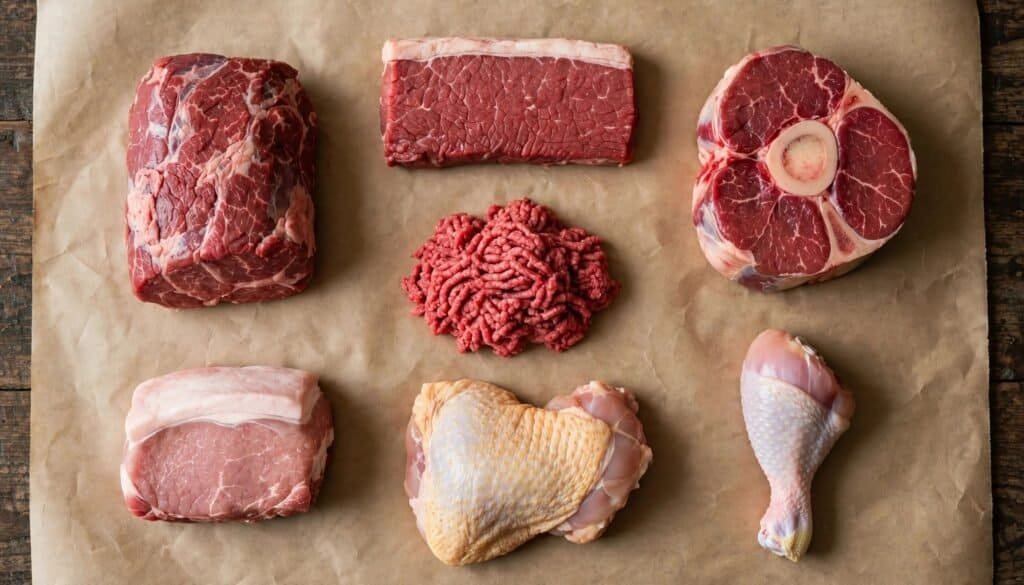
Analyzing your carnivore diet blood work matters because progress in the mirror does not tell the whole story. When I am eating this way for fat loss, muscle, energy, and overall metabolic health, I want more than guesswork. By regularly reviewing my carnivore diet blood work, I can ensure my internal markers align with how I feel on a daily basis.
The catch is simple, as labs often look different on a meat-based diet. One number by itself does not prove much. What matters is knowing which changes are common, which ones deserve attention, and how to track the full picture over time.
Table of Contents
ToggleKey Takeaways
- Trends beat snapshots. I care more about repeated labs than one isolated result.
- Cholesterol levels can shift quickly on this way of eating, but monitoring HDL cholesterol and triglycerides often provides a more complete picture of your heart health.
- Liver, kidney, and inflammation markers need proper context because training, hydration, and muscle mass can influence these results.
- Monitoring fasting glucose, fasting insulin, and HbA1c helps determine if your metabolic health and blood sugar management are improving.
- Consistent testing conditions make interpreting your carnivore diet blood work much easier and more reliable over time.
The main blood markers to watch on carnivore
When I review labs, I start with the markers that provide the most useful signal. Reference ranges matter, but context matters more.
Cholesterol numbers that often change first
The first numbers many people notice are on the lipid panel, including total cholesterol, LDL cholesterol, HDL cholesterol, and triglycerides. On a carnivore diet, these values can move in different directions quickly.
LDL cholesterol may rise, especially early on or during periods of active fat loss. While this can feel alarming, I do not treat LDL cholesterol as the entire story. If your HDL cholesterol goes up and your triglycerides go down, it often points to better metabolic health than the old standard total cholesterol view suggests.
Some individuals who see a significant spike in LDL while maintaining low triglycerides and high HDL may be classified as lean mass hyper-responders. In these cases, your doctor might also suggest checking ApoB as a more nuanced risk marker. Regarding the intake of saturated fat, it is helpful to look at the overall pattern of your results rather than reacting to a single variable in isolation.
Triglycerides are one of my favorite numbers to monitor. They often improve significantly as carbohydrate intake drops and systemic inflammation decreases. High HDL usually travels with lower triglycerides, creating a healthy profile that is worth noticing.
Liver, kidney, and inflammation markers
Markers for liver function, such as AST and ALT, can sometimes rise after intense training sessions. If I perform a heavy lifting session shortly before a blood draw, I do not act surprised if these values appear elevated.
When evaluating kidney function, common sense is required. Creatinine levels can be pushed higher by increased muscle mass, and dehydration can skew BUN and eGFR results. That is why I never assess these kidney markers without considering training intensity, hydration levels, and body size.
C-reactive protein provides a rough look at systemic inflammation, where lower is generally better. Uric acid can also shift, especially early on, and it may rise temporarily due to rapid weight loss or dehydration. If I see liver or kidney markers drift outside of expected norms, I examine food quality and variety. A narrow menu can sometimes muddy the picture, which is why I recommend this guide on what to eat on a meat-based diet.
Blood sugar and insulin clues
Fasting glucose, fasting insulin, and HbA1c provide deep insight into whether the diet is working where it counts. While glucose is a useful metric, fasting insulin often provides a cleaner signal regarding your metabolic status.
HbA1c reflects your average blood sugar over roughly three months, and fasting insulin can often improve before HbA1c fully catches up. To gain a complete picture of potential insulin resistance, I prefer looking at these markers alongside HOMA-IR, which uses your glucose and insulin levels to calculate a score. Furthermore, calculating the triglyceride-to-HDL ratio is one of the most effective ways to gauge your overall metabolic health.
If you want a quick sense of what a broader panel usually includes, this carnivore blood test panel example shows the common markers in one place.
How to read carnivore diet blood work without overreacting
A lab report can look scary when one value is red. That does not mean your diet is wrecking you. I compare results with symptoms, training load, sleep, body fat loss, and how long I have been eating this way.
Normal changes that can happen on a meat-based diet
Some shifts are common. Triglycerides often drop, while HDL cholesterol often rises. During active fat loss, your total cholesterol and LDL cholesterol numbers can bounce around more than you might expect.
Early adaptation can look different from long-term results. Water shifts, changes in glycogen, harder training, and eating more protein can all leave fingerprints on your labs. That is normal. Keep an eye on your triglyceride-to-HDL ratio, as it is often a more useful metric for cardiovascular health than looking at isolated numbers.
One odd lab on one random week is noise. A repeated pattern is information.
When a result deserves a second look
I pay closer attention when LDL cholesterol is very high and other inflammatory markers are present, or when liver enzymes keep rising across repeated tests. A falling eGFR, which serves as a key indicator of kidney function, especially when accompanied by symptoms, also deserves follow up.
Symptoms matter. Fatigue, dizziness, poor recovery, swelling, or feeling worse over time should not get brushed off because carnivore fixes everything. If a pattern looks concerning, I want a healthcare professional to interpret it with the full clinical picture.
Preparing for Carnivore Diet Blood Work
Effective health tracking is not about fancy protocols. It is about consistency.
When to get baseline labs and follow-up labs
The best approach is to get baseline labs before starting your transition to animal-based eating. If that opportunity has passed, simply establish a clean starting point as soon as possible.
After that, I recommend retesting once you have had time to adapt to your new lifestyle, which usually takes about 8 to 12 weeks. Using the same laboratory, the same time of day, and similar pre-test conditions makes your data much more reliable and easier to compare over time.
What to ask for at your appointment
When you meet with your physician, it is important to request a comprehensive set of metrics to get the full picture of your metabolic health. A standard checkup might not cover everything you need, so ensure your request includes the following:
- A complete lipid panel to track your cholesterol dynamics.
- ApoB to get a more accurate assessment of your cardiovascular risk profile.
- Fasting insulin to monitor your metabolic efficiency.
- HbA1c to see your long-term average blood sugar levels.
- Testosterone levels to evaluate hormonal health and recovery.
- A coronary artery calcium score for a clearer view of long-term arterial health.
What to do before the blood draw for cleaner results
To ensure you get the most accurate carnivore diet blood work, keep your pre-test routine simple. Fast if the test requires it, stay hydrated, get plenty of sleep, and avoid intense, brutal workouts the day before your appointment.
Alcohol, certain supplements, and sudden changes in your diet can muddy the water, making it harder to track your progress accurately. If you are comparing different lab options, this sample carnivore panel list provides a clear look at the common markers many people choose to track.
While you do not necessarily need to check specific supplements, it is wise to inform your doctor about any vitamins or herbs you take regularly, as some can interfere with lab measurements. If possible, consider pausing non-essential supplements for 24 to 48 hours before your blood draw to ensure your results represent your baseline health. Always check with your physician regarding any prescribed medications or critical health supplements you should maintain before testing.
Final thoughts
The smartest way to approach carnivore diet blood work is to view it as a tracking tool rather than a panic button. A single lab draw can raise a question, but consistent, repeated testing tells the true story of your metabolic health.
If your numbers are moving in the right direction, your energy levels are high, and your recovery is solid, you are gathering useful data on how your body is responding to a high protein and fat intake. If something looks off, careful retesting gives you the chance to make adjustments early. By consistently monitoring your progress, you can better protect your long term wellness and ensure that your dietary choices continue to support your health goals.
FAQs about Carnivore Diet Blood Work
Does carnivore always raise LDL?
No. Many people assume a carnivore diet leads to a spike in LDL cholesterol, but the results are highly individual. Some people see LDL rise, some do not, and others see their total cholesterol and LDL levels shift during active fat loss before eventually stabilizing. It is important not to judge the overall health impact of the diet based on LDL numbers alone.
How often should I retest blood work on carnivore?
A baseline test and a follow-up around 8 to 12 weeks provide a solid starting point. After that, the frequency of testing depends on your specific health goals, any symptoms you may be experiencing, and how stable your results look over time.
Can hard training affect my lab results?
Yes, it can. Factors like heavy lifting, intense cardio, dehydration, and poor sleep can temporarily alter markers such as AST, ALT, creatinine, and various inflammatory markers. It is best to avoid strenuous exercise for a few days before your blood draw to ensure your results accurately reflect your baseline health.