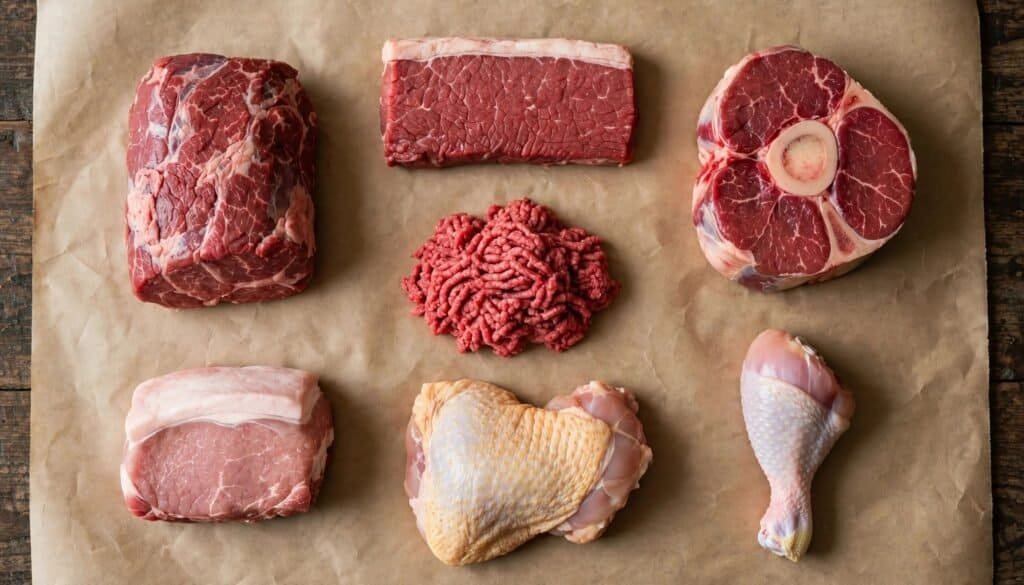
A great carnivore meal can go sideways fast when the cooking fat is wrong. Butter vs. Beef Tallow isn’t about picking one winner for every meal. It’s about heat, flavor, texture, and how much fat your steak or beef already brings to the plate.
I keep both in my kitchen because each earns its spot on a carnivore diet. Here’s how I choose the right fat, using animal fats instead of plant-based oils, without turning a simple meat-based meal into a greasy mess.
Table of Contents
ToggleKey Takeaways
- Use beef tallow for high-heat steak cooking when you want a deeper beefy crust.
- Cook eggs with butter for a softer, richer texture.
- Let fatty ground beef render before adding extra cooking fat.
- Add finishing fat late, especially in a hot cast-iron pan.
- Start with a small portion, then adjust to taste, digestion, and the meat’s fat content.
How Butter and Beef Tallow Differ in the Pan
Butter brings a creamy, mild flavor that makes simple food taste bigger. Its milk solids brown quickly, so it suits gentle cooking better than a ripping-hot pan. That flavor profile works well for eggs and other delicate culinary uses.
Beef tallow is rendered fat, an animal fat collected from beef. It’s firmer, more savory, and built for high-heat cooking. A comparison of tallow and butter smoke points places beef tallow around 400 to 420 F. The smoke point of regular butter is lower because its milk solids brown and burn sooner.
Clarified butter, also called ghee, sits in the middle. It has a butter flavor with fewer milk solids, although it may not suit you if a dairy product causes digestive issues or sensitivity.
Butter and beef tallow are calorie-dense dietary fats, so I don’t add them automatically. Their nutritional profile varies by product and rendering method, including the balance of saturated fat and monounsaturated fat.
Compared with plant-based oils and vegetable oils, they represent a different cooking choice, not a universal health verdict. For the carnivore diet, fat preference shouldn’t be presented as determining total mortality or long-term outcomes. A ribeye, 80/20 beef, or fatty short rib already has plenty to keep you full. Extra fat should improve the meal, not drown it.
Which Fat Works Best for Steak, Eggs, and Ground Beef?
For the carnivore diet, the best cooking fat depends on what’s in the pan. These three culinary uses each call for a slightly different approach. Heat matters, meat fat content matters, and so does the flavor you want.
Steak: Use Beef Tallow for a Hot Sear and Butter for Finishing
Beef tallow is my first pick when I want a hard steak sear. It handles aggressive heat, making it useful for high-heat cooking and searing steaks. It also matches the natural flavor of beef instead of covering it up.
Butter works best after high-heat cooking, near the end. Add it after the crust has formed, then baste briefly or let a small pat melt over the steak while it rests. Put butter in too early, and it can burn before the steak reaches the texture you want.
Watch the pan, not only the thermometer. If a well-marbled ribeye renders enough fat, skip the added cooking fat altogether.
Eggs: Choose Butter for a Soft, Rich Texture
For scrambled, fried, or over-easy eggs, I reach for butter. It gives eggs the soft, rich texture that beef tallow doesn’t quite match.
Beef tallow can still work, especially for crispy-edged fried eggs. But it brings a noticeable beef flavor, and that isn’t everyone’s favorite first thing in the morning. Keep the heat at medium or lower so the butter doesn’t brown too much and the eggs stay tender.
Ground Beef: Let the Meat’s Fat Content Guide You
Lean ground beef can use a small spoonful of beef tallow. It prevents sticking and gives the meat a fuller, beef-forward taste.
With 80/20 or fattier ground beef, I wait. The meat will render its own cooking fat, and adding more beef tallow can make the bowl heavy fast. Butter is better as a finishing touch for lean beef, giving it a smoother, richer finish.
If the pan holds more grease than you want to eat, drain some rather than reaching for more beef tallow. You don’t win points for forcing down added butter your body didn’t ask for.
How to Choose and Use the Right Fat for Carnivore Cooking
Pick beef tallow for high-heat cooking, including deep frying, or when you want a stronger beef flavor. Pick butter for eggs and gentler cooking. Try clarified butter if dairy doesn’t sit well and you want fewer milk solids.
Both are animal fat choices, and healthy fats depend on the overall diet and individual context. Their fatty-acid profiles differ, including amounts of monounsaturated fat, but no cooking fat choice predicts total mortality. Evidence about monounsaturated fat and total mortality is context-dependent, so individual choices do not establish that outcome.
I buy unsalted butter when I want full control over seasoning. For beef tallow, look for cleanly rendered animal fat without a stale smell or strange aftertaste. Beef tallow quality depends on clean rendering, too, so judge grass-fed tallow by freshness rather than the label alone. Keep both sealed away from heat, moisture, and bright light.
Diet structure matters too. The carnivore diet food pyramid is a useful reminder that dietary fats from animal foods can provide plenty of energy without needing to pour extra fat onto every plate.
Simple Rules for Better Results and Less Waste
Start with less than you think you need when adding dietary fats. Preheat the pan with tallow for hard searing, then add butter later if the meal needs more flavor.
Save clean rendered fat from the pan for another meal. Your best guide is simple: notice how the food tastes, how the pan behaves, and how you feel afterward.
A fatty steak doesn’t need butter and tallow piled on top. Let the cut do some of the work.
The Right Fat Depends on the Meal
Use beef tallow when the pan is hot and beef flavor belongs front and center. Use butter for eggs, lower-heat cooking, or a rich final layer on steak and ground beef.
I keep both fats around, using butter when a softer finish suits the meal and skipping plant-based oils. For the carnivore diet, the best cooking fat depends on the heat, the cut’s own fat, the flavor you want, and your personal tolerance.
FAQs about Butter vs. Beef Tallow
Is one cooking fat healthier than the other for carnivore cooking?
Neither fat is automatically better for everyone. Beef tallow is dairy-free, while butter offers a different flavor and texture. Both contain saturated fat, and plant-based oils may provide more monounsaturated fat. Their nutritional profile, portion size, and individual tolerance matter more than one universal choice. Butter can also provide fat-soluble vitamins, depending on its source. No single fat has been shown to determine total mortality or cause cardiovascular disease on its own.
Can butter and beef tallow be used together?
Yes. I sometimes use a little tallow to start a hot cook, then add butter near the end. It’s optional, but it combines heat tolerance with a richer flavor.
What is the best fat for searing steak?
Beef tallow is usually the better choice for a hot sear. Tallow’s cooking properties make it more forgiving during high-heat cooking. Its higher smoke point helps protect the fat during searing. Still, a fatty steak may not need extra fat.
Does butter make eggs taste different when cooked with tallow?
It can, especially if you use a lot. Butter gives eggs a milder, creamier flavor, while tallow adds a savory note. Start with a small amount before committing to a full skillet.
How should rendered cooking fat be stored?
Strain beef tallow well, then keep it in an airtight container away from heat, moisture, and food particles. Refrigerate it for longer storage. Toss it if it smells sour, stale, or rancid.
Do these fats determine long-term health outcomes?
Current evidence doesn’t show that choosing one cooking fat alone determines total mortality. Portion size, overall dietary pattern, and individual tolerance matter more. Within a carnivore diet, choose fats you digest well and enjoy, while remembering that plant-based oils often contain more monounsaturated fat. The evidence around dietary fat and cardiovascular disease remains complex.